
Himalayan tsunamis and Nepal's vulnerability
🌊 Nepal-Tibet Deluge 2026
✦ Golden Web Tools ✦



The Real Cause – Why Did It Happen?
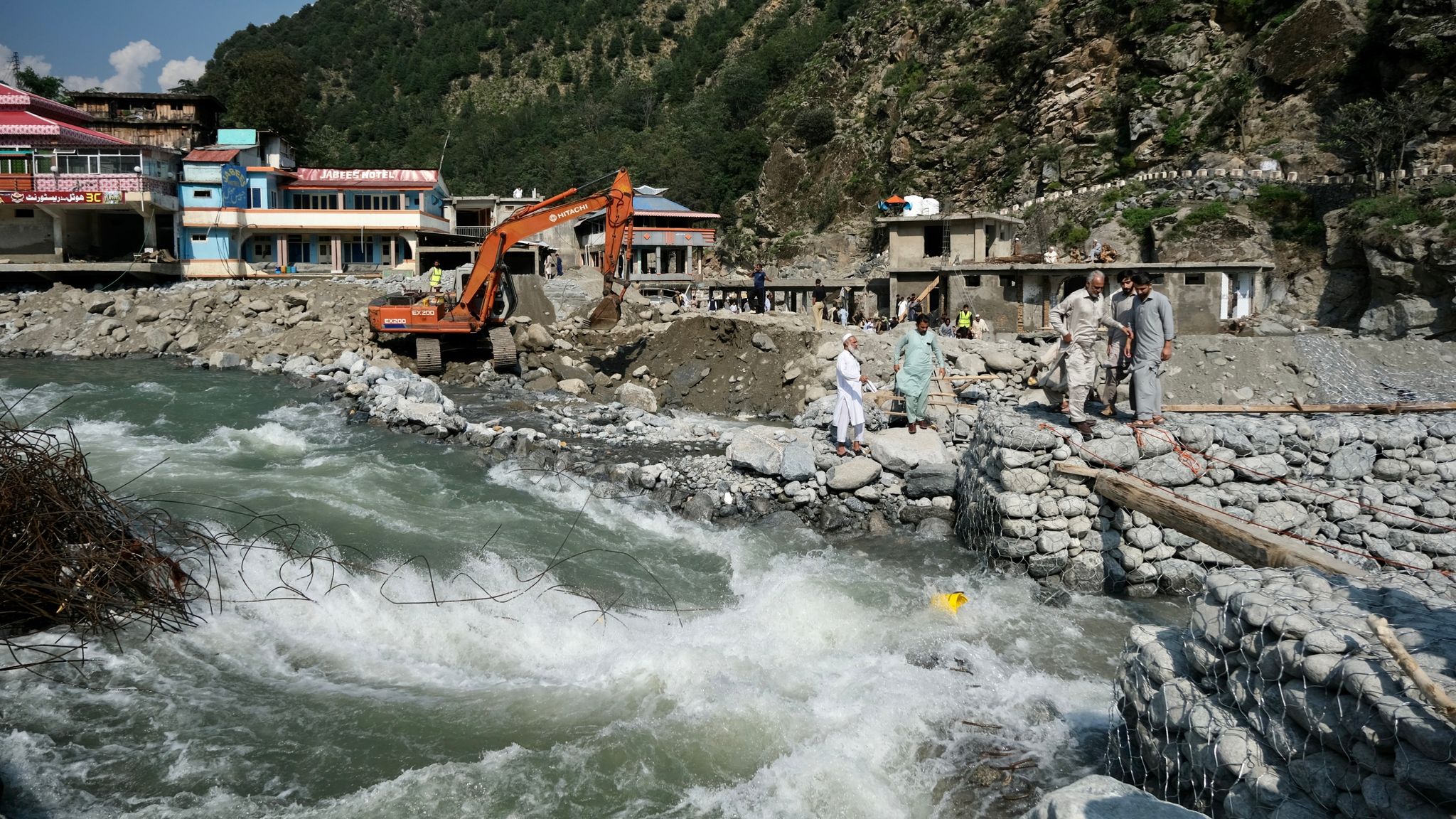
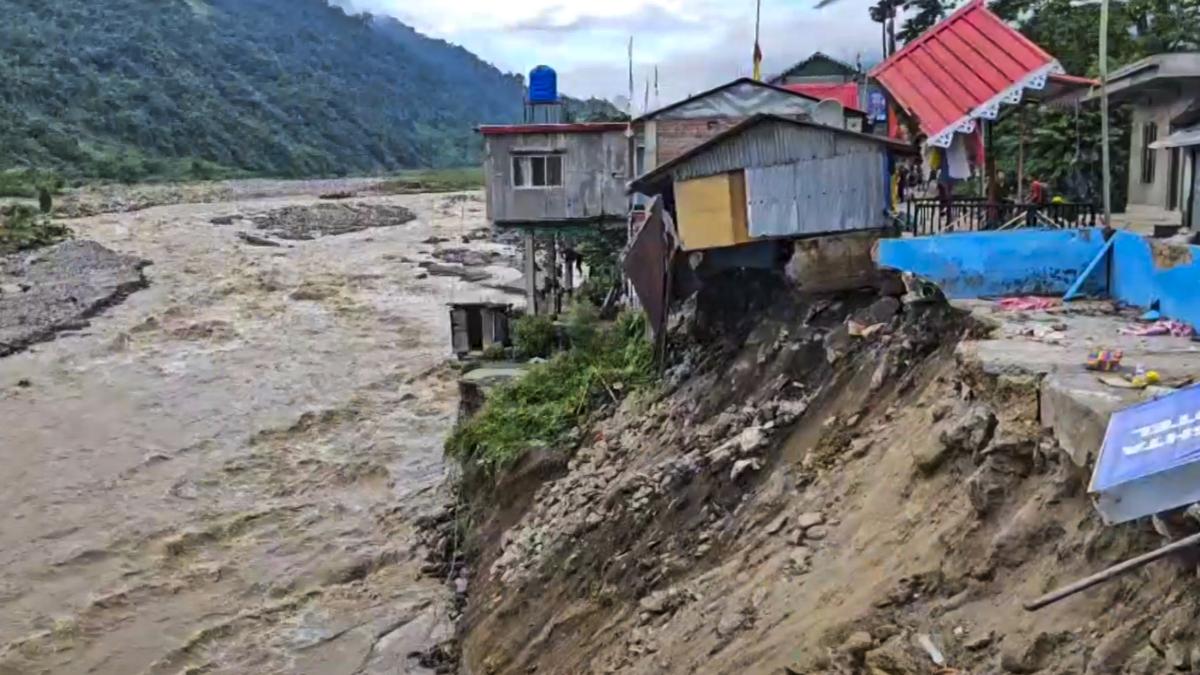
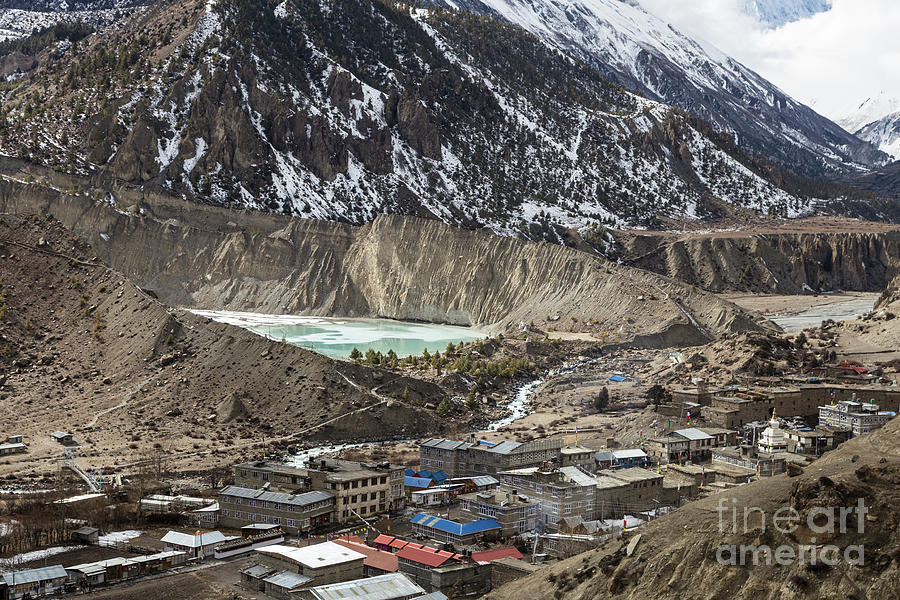
The catastrophic flash flood that struck the Nepal-Tibet border on August 26, 2026, was not a singular event but a perfect storm of climatic and geographical factors. The primary trigger was an intense cloudburst that dumped over 250 millimeters of rainfall in just six hours over the upper catchment areas of the Bhote Koshi River. This extreme precipitation, combined with rising global temperatures, caused a Glacial Lake Outburst Flood (GLOF) from a moraine-dammed lake situated at an altitude of approximately 5,200 meters.
The lake, which had been steadily expanding due to glacial melt over the past decade, breached its natural moraine barrier. The sudden release of an estimated 50 million cubic meters of water, mixed with rocks, sediment, and debris, created a massive debris flow that hurtled down the narrow Himalayan gorges at speeds exceeding 40 kilometers per hour. This phenomenon, often referred to as a "Himalayan Tsunami," transformed the tranquil mountain rivers into raging torrents of destruction within minutes.
Detailed Account of the Incident
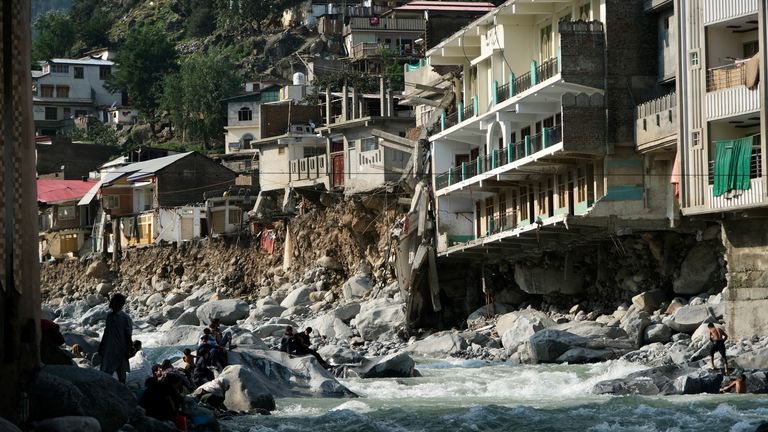
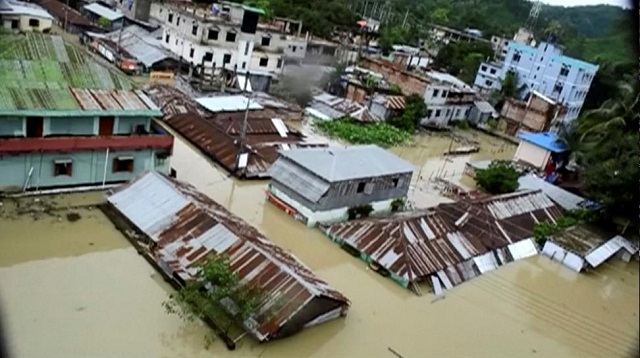
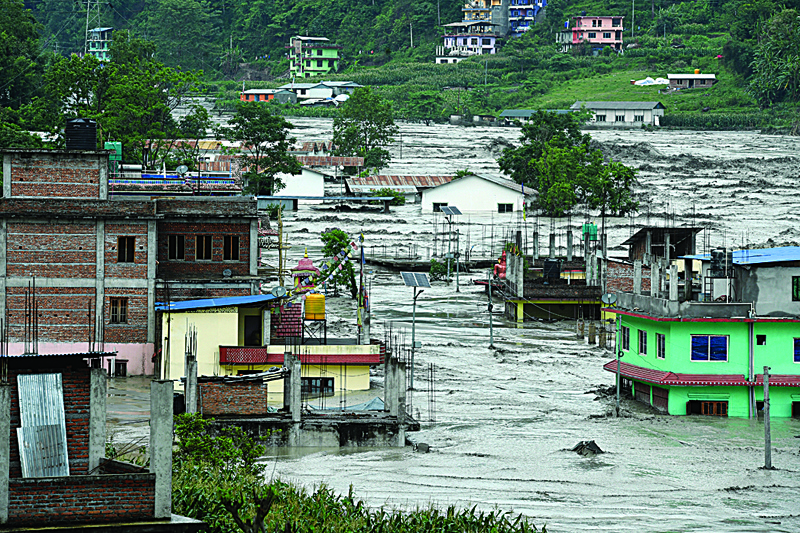
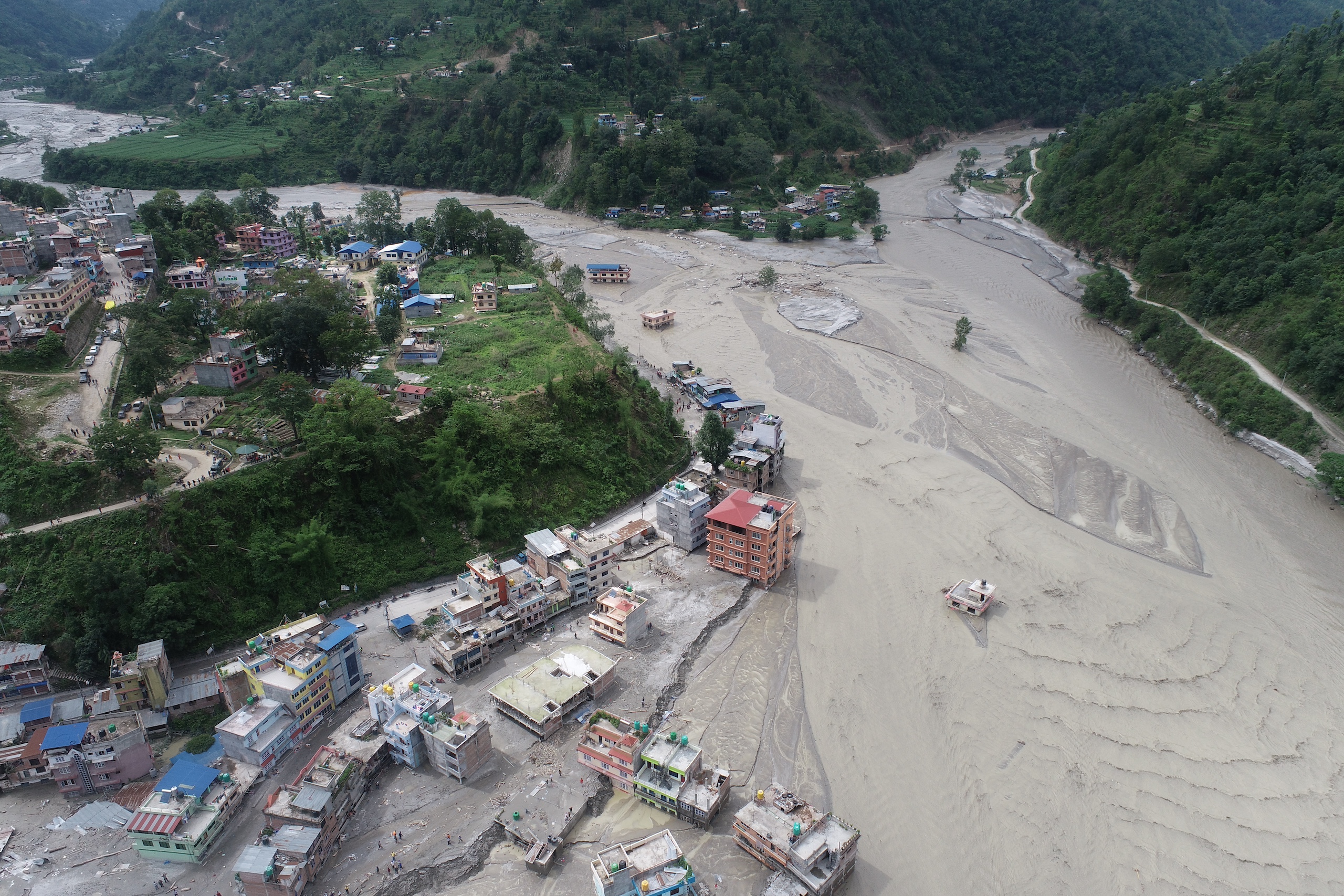
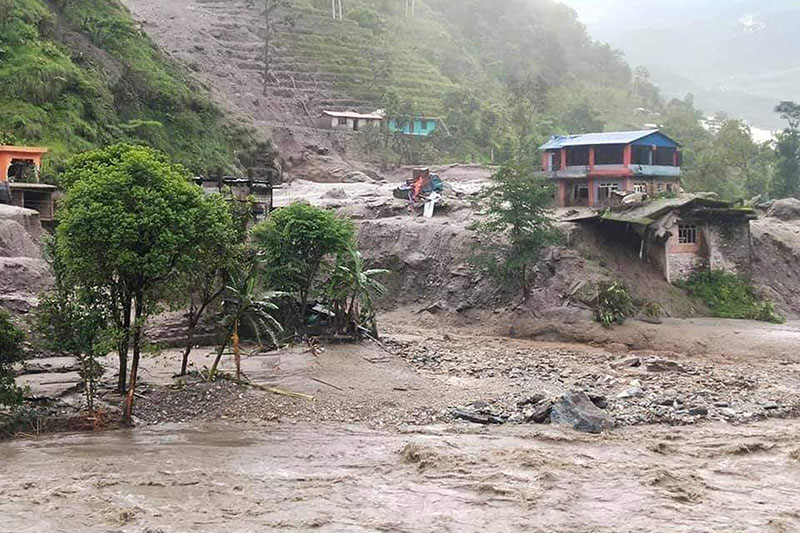
The surging wall of water, estimated to be 15–20 meters high in the initial stages, swept through the Rasuwa district with unimaginable force. The first settlements to be obliterated were Timure, Syafrubesi, and Chilime – small but vibrant communities that were home to thousands of people. The floodwaters, carrying boulders the size of cars, destroyed 14 bridges, including the key suspension bridges that connected remote villages to the rest of the country.
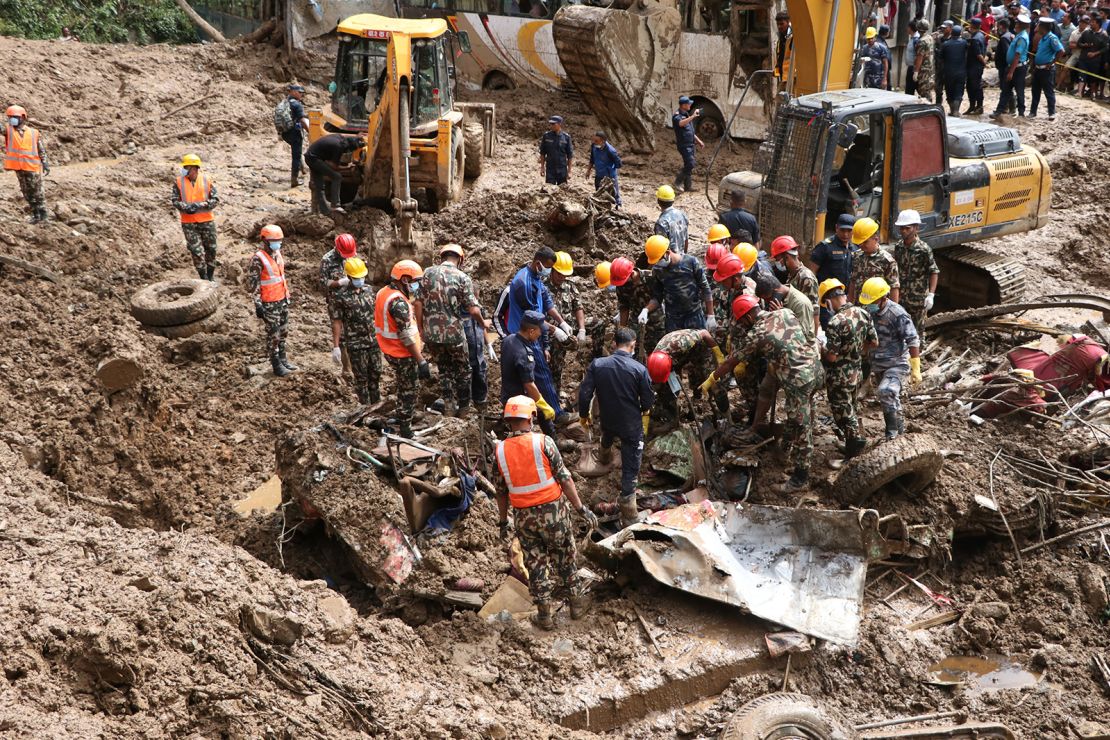
The deluge then merged with the Trishuli River, swelling it to record levels. The combined force caused unprecedented flooding downstream through the districts of Nuwakot, Dhading, and Gorkha – areas still recovering from the devastating 2015 earthquake. Entire settlements were buried under meters of mud and debris within minutes. The flood also severely damaged three major hydropower projects, leading to widespread power outages across the region.
Current toll: The death toll has tragically surpassed 675, with more than 2,400 still reported missing. Over 5,000 families have been displaced, with their homes and livelihoods washed away in a matter of hours.
Impact on the Nepal Government
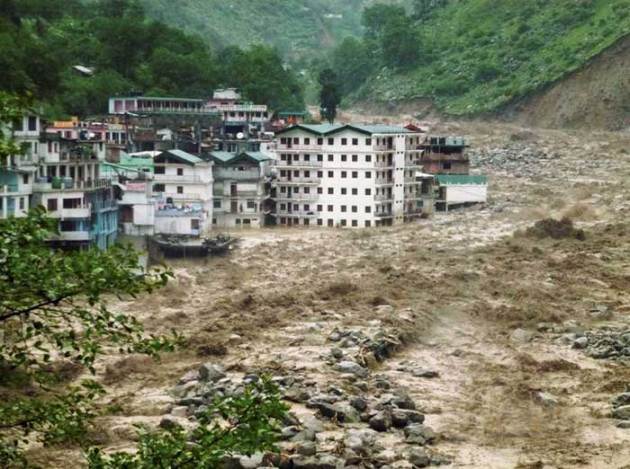
The disaster has placed the Nepalese government under immense scrutiny and pressure. Prime Minister Pushpa Kamal Dahal declared a national state of emergency and mobilized the Nepal Army, Armed Police Force, and National Disaster Risk Reduction and Management Authority (NDRRMA) for rescue operations. However, the sheer scale of the disaster has overwhelmed national capacities.
Key Government Actions:
- Declared emergency status for 17 districts
- Released NPR 20 million initial relief package
- Established 45 relief camps for displaced families
- Deployed 1,200 army personnel and 15 helicopters
Public Criticism: The government has faced severe backlash for:
- Inadequate early warning systems – no effective flood forecasting mechanism existed for the region
- Poor infrastructure – roads and bridges were not resilient to such extreme events
- Delayed evacuation orders – many areas received warnings only after the flood had already struck
- Lack of disaster preparedness – insufficient stockpiles of emergency supplies
The government has now pledged to review its disaster management protocols and invest in a modern early warning system, but for the thousands of affected families, these promises come too late.
International Relief Efforts – Which Countries Helped?
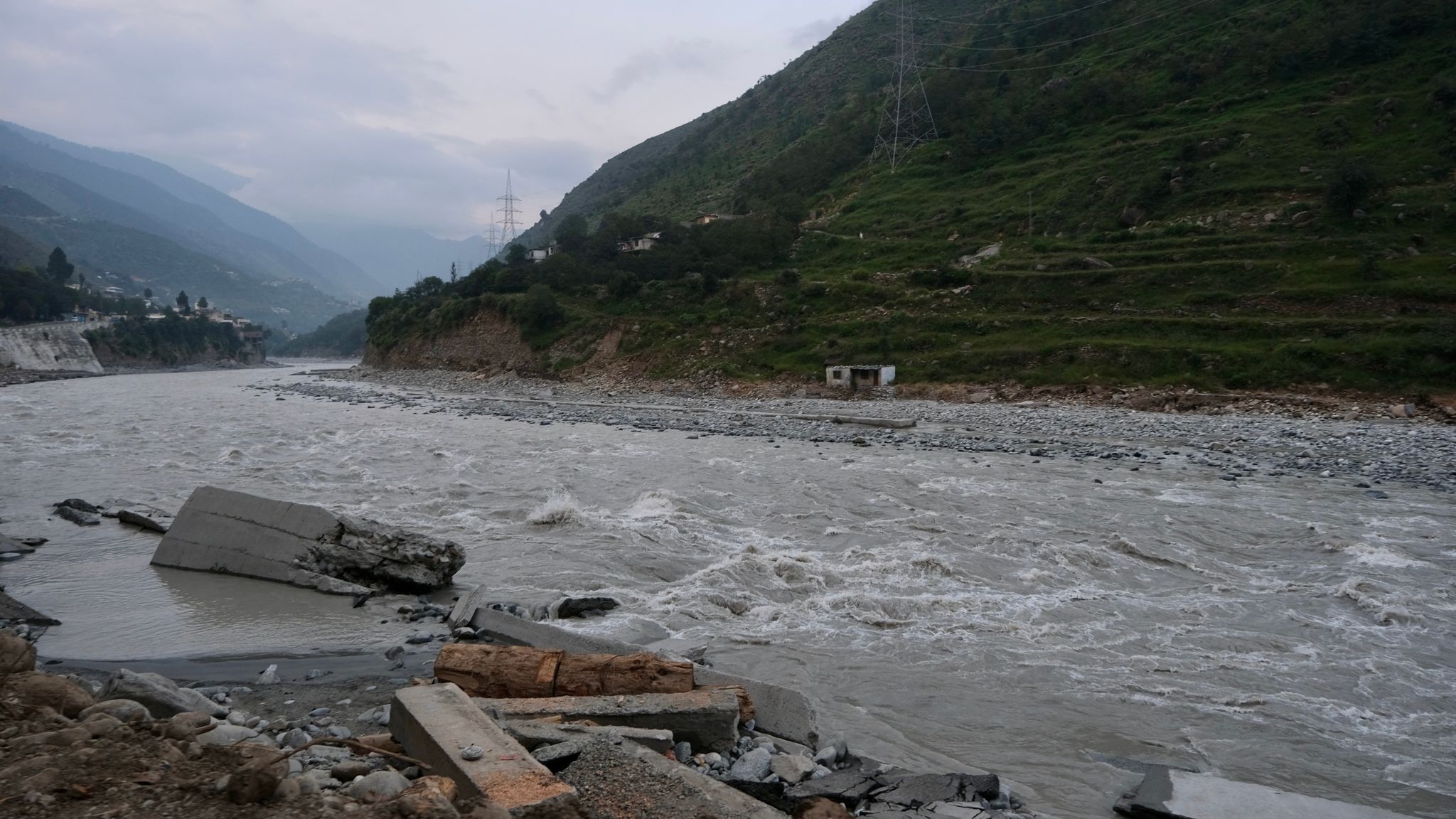
The international community has rallied to support Nepal in its hour of need. Here is a detailed breakdown of the relief efforts from various countries:
- India: Prime Minister Narendra Modi called Nepal's PM immediately and dispatched 12 NDRF teams with specialized rescue equipment. India also sent 5 Mi-17 helicopters, 50 tons of medical supplies, and emergency shelter materials. The Indian Army has set up 3 field hospitals in the affected districts.
- China: Despite diplomatic tensions over the delay allegation, China sent a team of 45 tunnel experts and heavy machinery to clear debris at damaged hydropower sites. They also provided 1,000 tents, 5,000 blankets, and purified drinking water systems.
- United States: President Biden announced USD 3 million in immediate aid, along with satellite imagery support through NASA/USGS to assist in damage assessment and search operations. USAID has deployed a 50-member disaster response team.
- United Kingdom: The UK government provided GBP 2 million in emergency funding and deployed a humanitarian team with advanced water purification units capable of producing 10,000 liters of clean water per day.
- Japan: JICA sent a 40-member search-and-rescue squad with sniffer dogs, specialized listening devices, and portable satellite communication systems to coordinate rescue efforts in remote areas.
- South Korea: Contributed medical tents, field hospitals, and 20 ambulances. A team of 25 medical professionals has been deployed to treat the injured.
- Germany: Provided Euro 1.5 million in aid, along with water pumps, generators, and emergency shelters.
- Australia: Sent 35 disaster response specialists and AUD 1 million in emergency supplies.
- UAE: Pledged USD 1.5 million and delivered 50 tons of food supplies and medicines.
Role of the United Nations (UNO)

The United Nations has mobilized its full humanitarian machinery to assist Nepal. The UN Office for the Coordination of Humanitarian Affairs (OCHA) has taken the lead in coordinating international response efforts.
Key UN Actions:
- Activated Level 3 Emergency Response – the highest level of UN humanitarian mobilization
- Deployed UNDP, UNICEF, WFP, and WHO teams on the ground within 48 hours
- UNICEF is providing nutritional support and psychosocial care for affected children and families
- WFP is distributing food aid to over 10,000 families through air drops and ground distribution
- WHO has set up 7 mobile health clinics and is monitoring disease outbreaks in relief camps
- UNOSAT (UN Satellite Centre) has provided high-resolution damage maps to guide rescue efforts
- Issued an international flash appeal for USD 200 million – 35% has been funded so far
Allegation: China's 45-Minute Delay in Warning

One of the most controversial aspects of this disaster has been the allegation that China delayed informing Nepal about the impending flood by approximately 45 minutes. According to multiple reports, Chinese hydrological monitoring stations along the Tibet-Nepal border detected a sudden and dramatic rise in water levels at around 3:50 AM NPT. However, the official notification to Nepalese authorities was not sent until 4:35 AM NPT – a critical 45-minute gap that many believe could have saved hundreds of lives.
Nepal's Position: Government officials have stated that had they received the warning by 4:00 AM, they could have activated emergency alarms and initiated evacuations in the most vulnerable villages along the riverbanks. The delay meant that by the time the warning was received, the flood had already crossed the border and was less than 15 minutes away from the first Nepalese settlement.
China's Response: The Chinese government has strongly denied these allegations, issuing a statement that they "shared all available information with the Nepalese authorities as soon as it was verified." Chinese officials claim that the 45 minutes was necessary to verify the data and ensure accuracy, as false alarms could have caused unnecessary panic.
Diplomatic Fallout: The controversy has strained Nepal-China relations. Nepal has called for a formal review of cross-border disaster communication protocols. Several international media outlets have raised questions about data-sharing mechanisms between the two countries. Meanwhile, China has offered to install additional real-time monitoring stations along the border to prevent future miscommunication.
A Heart-Touching Conclusion
Behind every statistic, every number, and every headline, there are human stories – stories that deserve to be told, remembered, and honored.
Imagine a mother who lost three children to the floodwaters, still searching the riverbanks every morning, hoping against hope. Imagine a father who watched his entire village washed away in a matter of minutes, left with nothing but the clothes on his back. Imagine rescue workers who haven't slept for three days, digging through mud and debris with their bare hands, refusing to give up on finding survivors.
But amid this tragedy, we have also witnessed the indomitable spirit of humanity – neighbors risking their lives to save each other, volunteers from across the world flying in to help complete strangers, and communities coming together to rebuild from the ashes of destruction.
This disaster raises profound questions that demand answers:
- Could better early warning systems have prevented this?
- Should the international community do more to address climate change in the Himalayas?
- How can we ensure that such a tragedy never happens again?
Live Footage & Coverage
Click any video to watch on YouTube
Sources & References
This article has been prepared using information gathered from publicly available reports, scientific studies, humanitarian updates, and international news coverage available at the time of publication.
- Nepal National Disaster Risk Reduction and Management Authority (NDRRMA)
- Government of Nepal Disaster Management Bulletins
- United Nations Office for the Coordination of Humanitarian Affairs (UNOCHA)
- World Food Programme (WFP)
- UNICEF Emergency Updates
- World Health Organization (WHO)
- UNDP Humanitarian Situation Reports
- NASA Earth Observatory
- USGS (United States Geological Survey)
- ICIMOD (International Centre for Integrated Mountain Development)
- Reuters
- BBC News
- CNN International
- Associated Press (AP)
- Scientific publications related to Glacial Lake Outburst Floods (GLOFs), Himalayan hydrology, climate change, and disaster-risk management.
Image Credits
Images displayed in this article are used for educational, informational, and journalistic presentation purposes.
- ANI Media
- CNN
- Republica Nepal
- Dialogue Earth
- The Himalayan Times
- ABC News
- Various public news archives and referenced media sources
Fact Check & Verification Notice
Readers are encouraged to verify critical information through official government announcements, disaster-management authorities, and recognized international organizations.
© 2026 • Crafted with empathy • Stay safe, stay informed
In memory of the lives lost

Shiben
As you came here, so you must go. So don't delay, do the main thing, many real genes will know or understand.


