
IRAN - AMERICA CONFLICT AND EFFECT ON THE WORLD
🇮🇷⚡🇺🇸 IRAN–AMERICA: THE WORLD AT A CROSSROADS
Main cause · after the ceasefire
🔻 The core trigger: The US–Iran ceasefire (Islamabad MoU) collapsed due to mutual distrust, proxy attacks, and Israel’s independent strikes. Iran’s closure of the Strait of Hormuz and the US naval blockade were the immediate catalysts. But the root cause remains Iran’s nuclear program and regional hegemony, which neither side is willing to compromise on.

Effect on various countries
 USA – inflation, military fatigue, global leadership test. Oil prices hit $140/bbl. Domestic pressure on Biden admin.
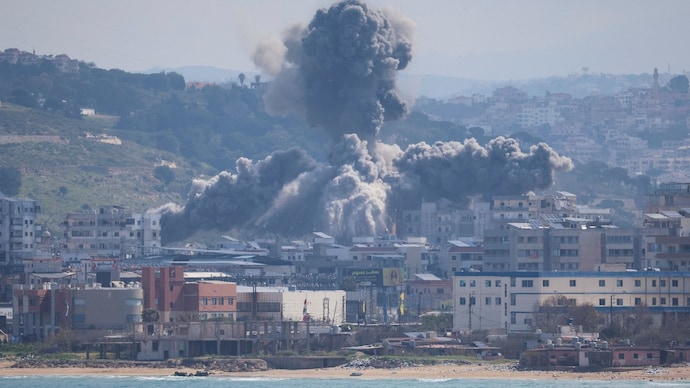 Iran – economy suffocated, regime survival at stake, proxy war in Yemen/Lebanon. rial crashed 40%.
 Europe – gas shortages, industry slowdown, refugee pressure. Germany faces de-industrialisation.
 China – oil import costs surge, supply chain disruption, yet gains from cheap Russian oil. BRI projects at risk.
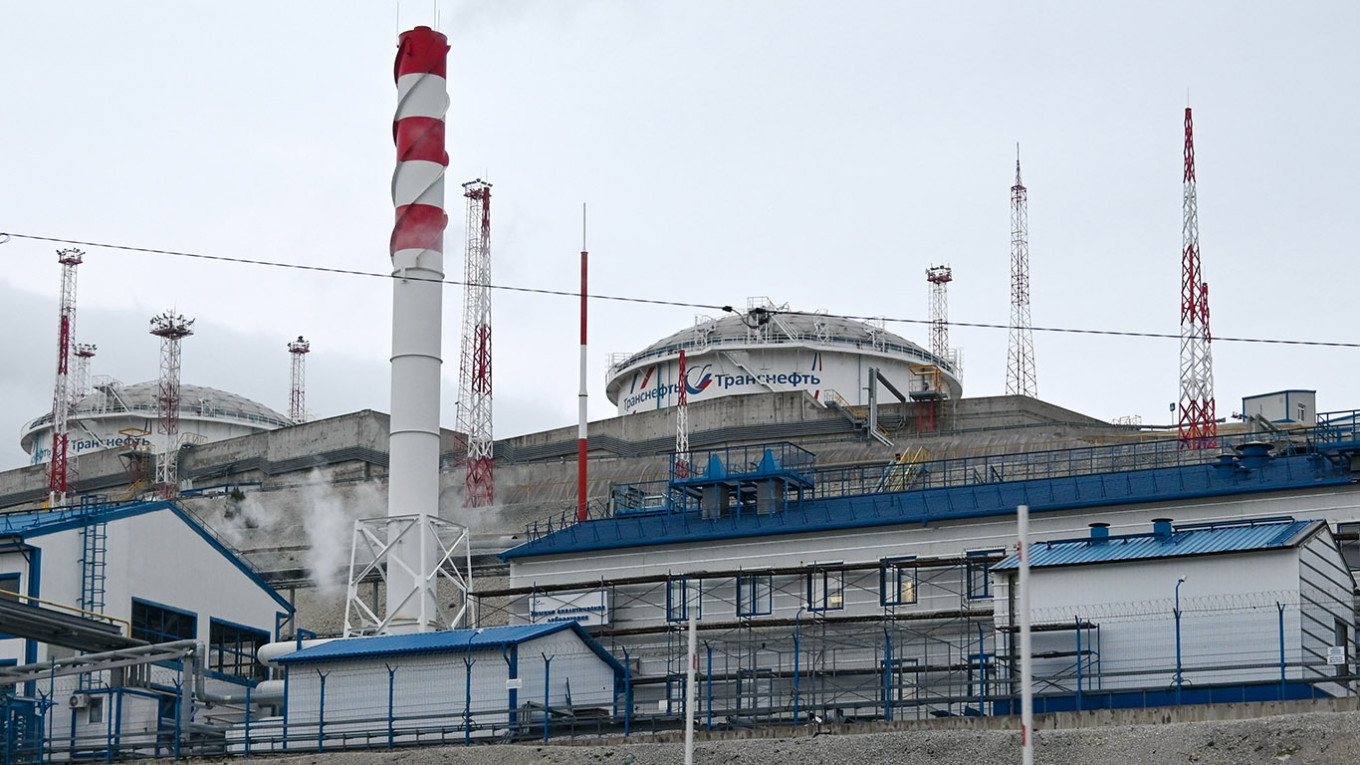 Russia – benefits from high oil prices, strengthens ties with Iran. becomes key mediator.
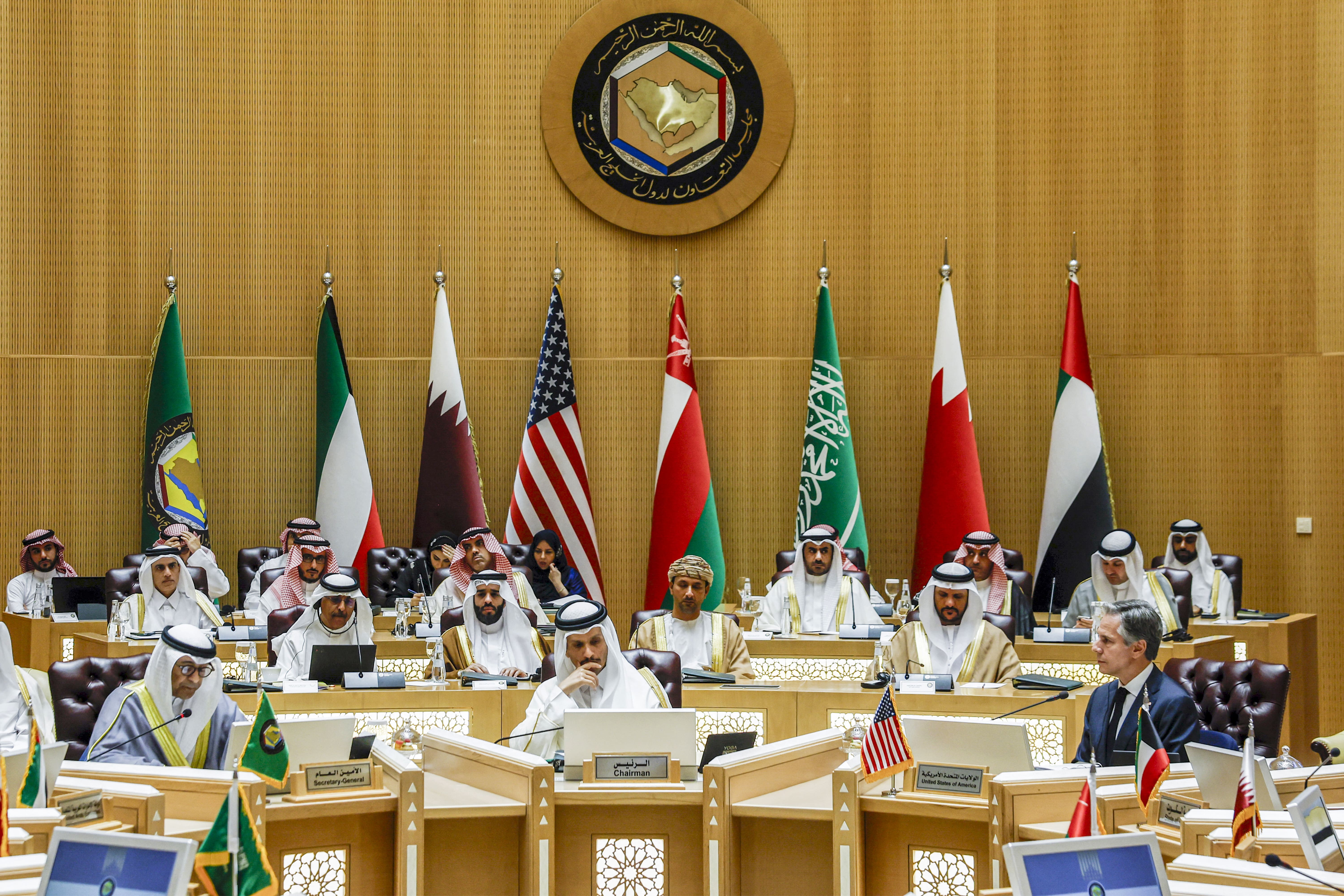 GCC (UAE, KSA) – caught between US and Iran, fear of spillover, oil revenue booms. UAE resumes diplomatic ties with Iran.
 Turkey – energy import bill soars, but gains as transit hub. Erdogan offers mediation.
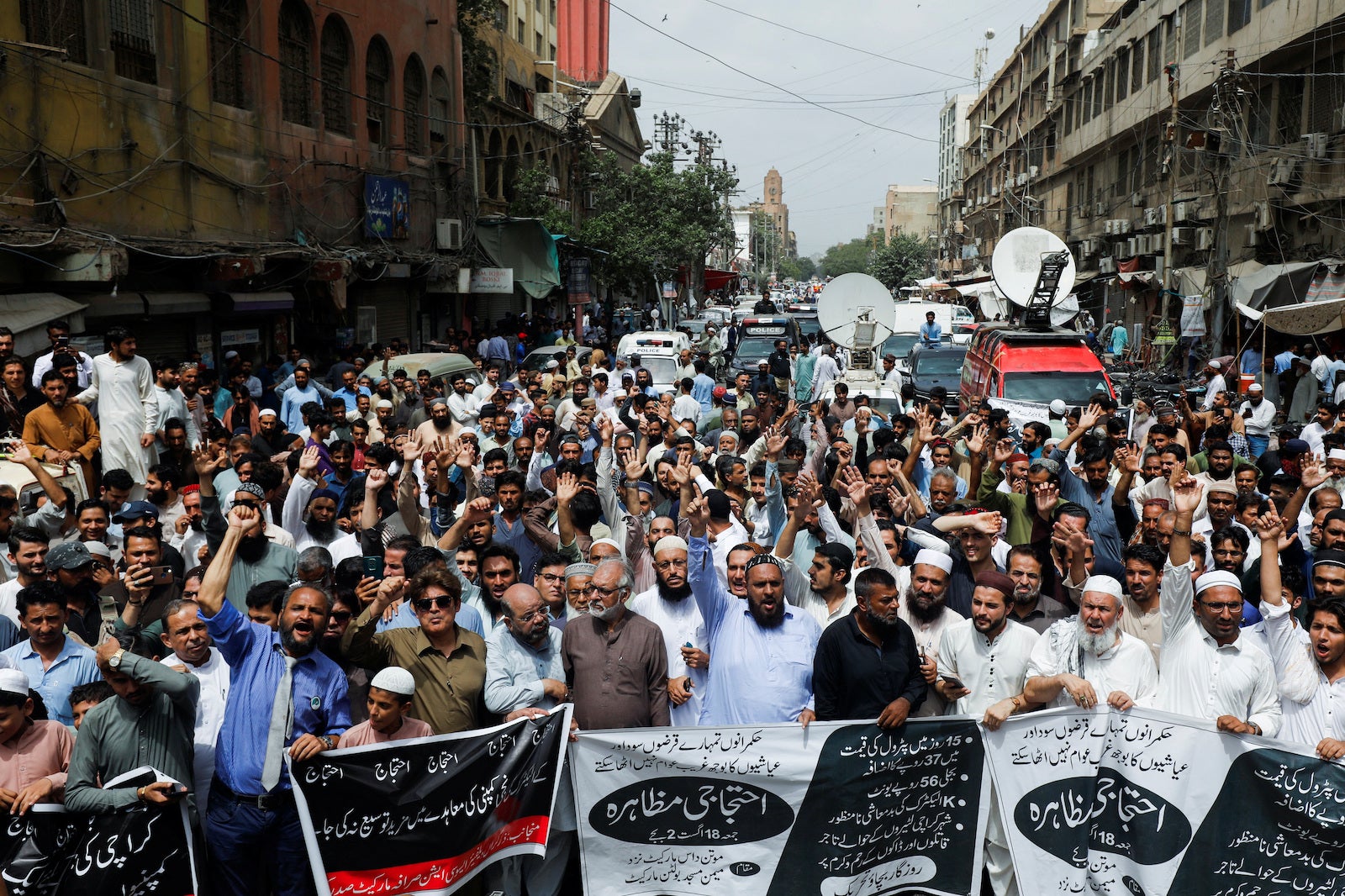 Pakistan – severe energy crisis, IMF bailout at risk. faces default.
Impact on India & its economy
🇮🇳 India is among the most vulnerable — 40–55% crude & 90% LPG imports pass through Hormuz. The crisis has exposed structural weaknesses.
Sectoral impact
- Agriculture: Urea and DAP imports via Hormuz hit; sowing season delayed. Govt. subsidies doubled.
- Manufacturing: Ceramics, steel, textiles face gas shortages; MSMEs shut temporarily.
- Aviation: ATF prices hiked 25% (partial); airlines under stress.
- IT & Services: Inflation hits consumer spending; US recession fears reduce outsourcing.
What should Indian govt. do?
- Diplomatic balancing: Engage with Iran, US, Israel simultaneously. Use Chabahar port leverage to keep Iran engaged.
- Strategic reserves: Expand SPR to 11.8 MMT by 2029. Already added 1.75 MMT at Mangalore.
- Diversify imports: Increase from US, Africa, Russia. Reduce dependency on Gulf to <35%.
- Price stabilisation: Continue absorbing under-recoveries, but gradually phase out to reduce fiscal burden.
- Domestic production: Boost ethanol blending (20% achieved), renewable energy (500GW by 2030), and local LPG.
- Trade route resilience: Invest in INSTC (International North-South Transport Corridor) to bypass Hormuz.

Worldwide relations & globalisation
World economy: IMF projects global growth to slow to 2.1% in 2026. Oil price shock triggers stagflation risk. Emerging markets (India, Brazil, Turkey) suffer capital outflows. Global debt rises to 360% of GDP.
Globalisation: The conflict accelerates de-globalisation — countries move toward regional blocs, energy self-sufficiency, and weaponised trade. The US–China rivalry deepens, and the Global South faces a debt crisis. BRICS+ gains momentum as a counterweight.
Effect on global warming & climate goals
Ironically, the energy crisis has slowed the energy transition. Coal and oil are being stockpiled, and climate commitments are being delayed. The EU has temporarily increased coal use. However, high fossil fuel prices have also accelerated investments in renewables in India, China, and Europe. Net-zero targets are at risk of being pushed to 2040+.
How to regain peace?
- Revive the JCPOA framework with enforceable caps on Iran’s enrichment (below 3.67%).
- US–Israel coordination — Israel must be part of any final deal, with security guarantees.
- De-escalation in Hormuz — guarantee safe passage for all tankers under UNSC resolution.
- Regional dialogue — include Saudi, UAE, Oman, Qatar as guarantors.
- Economic incentives — lift sanctions in exchange for verifiable nuclear rollback and curtailment of proxy militias.
- India & China as mediators — both have leverage with Iran and the US.
Conclusion: overcoming the crisis
The Iran–America conflict is not a temporary storm; it is a structural shift. The world is entering a period of fragmented multipolarity where energy security trumps globalisation. For India, the path forward lies in strategic autonomy — diversify energy, build reserves, and play the role of a neutral bridge.
Manage inflation, secure LPG supplies, diplomatic outreach.
Accelerate renewable transition, reduce oil dependency to 50%.
Become a manufacturing hub that attracts supply chains fleeing geopolitical risk.
🕊️ Peace is achievable, but it demands painful compromises from Iran, US, and Israel. The window is narrow — the next 60 days will decide the fate of a generation. India must lead the Global South's voice for de-escalation.

Shiben
As you came here, so you must go. So don't delay, do the main thing, many real genes will know or understand.


