
হরমুজ প্রণালী ও ভারতের নিরবচ্ছিন্ন যাত্রা
হরমুজ প্রণালীতে ভারতের নিরবচ্ছিন্ন যাত্রা

⚓ ভারতের জ্বালানি নিরাপত্তার ধমনী হিসেবে পরিচিত হরমুজ প্রণালী। বিশ্বের মোট তেল পরিবহনের প্রায় এক-পঞ্চমাংশ এই সংকীর্ণ জলপথ দিয়ে যায়। অথচ সাম্প্রতিক সময়ে মধ্যপ্রাচ্যের ক্রমবর্ধমান অস্থিরতা, ইরান-ইসরায়েল সংঘাত এবং হুথি বিদ্রোহীদের হামলার কারণে এই গুরুত্বপূর্ণ সমুদ্রপথটি আন্তর্জাতিক জাহাজ চলাচলের জন্য অত্যন্ত বিপজ্জনক হয়ে উঠেছে। কিন্তু আশ্চর্যজনকভাবে, ভারতীয় পতাকাবাহী জাহাজগুলো তুলনামূলকভাবে নির্বিঘ্নে এই প্রণালী অতিক্রম করে যাচ্ছে। কিভাবে? এই প্রশ্নের উত্তর লুকিয়ে আছে ভারতের বহুস্তরীয় কূটনৈতিক চাতুর্য, নৌবাহিনীর বলিষ্ঠ উপস্থিতি এবং তার "কৌশলগত স্বায়ত্তশাসন" নীতির সফল প্রয়োগে।
⚓ ভারতীয় নৌবাহিনীর দ্বি-স্তরীয় অভিযান
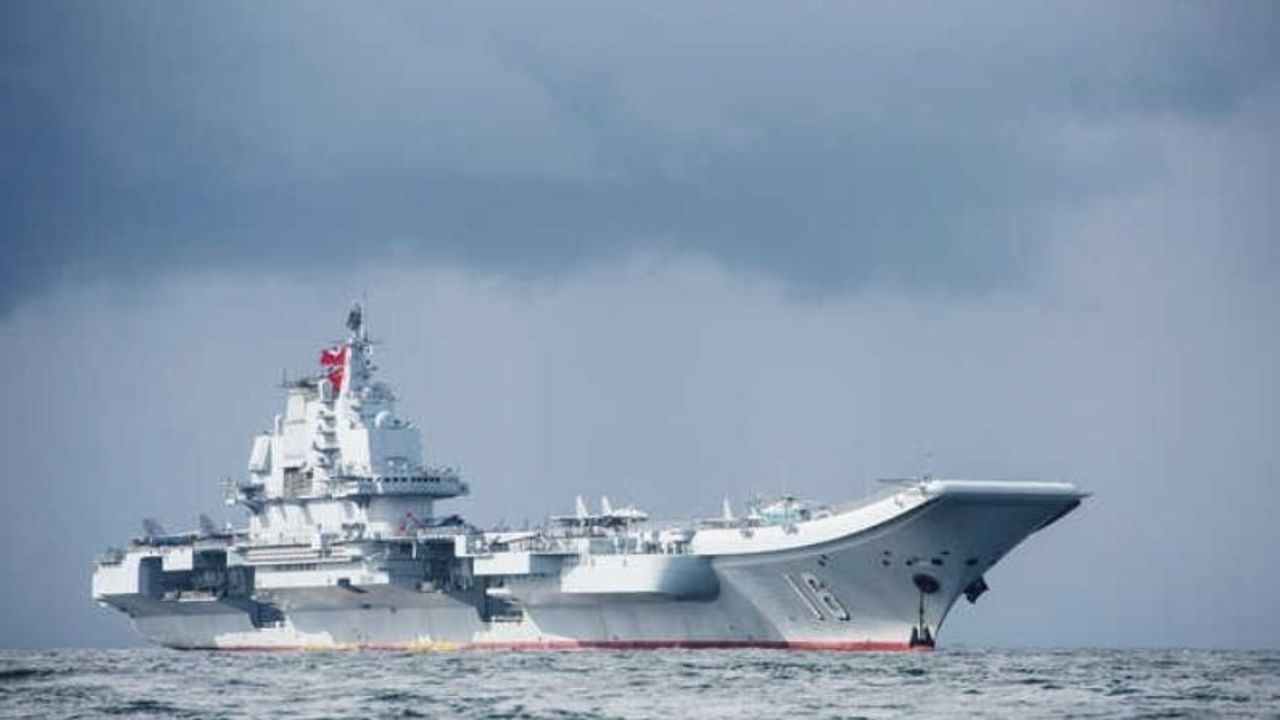
দীর্ঘমেয়াদি টহল: অপারেশন সংকল্প – ২০১৯ সালের জুন মাস থেকে ভারতীয় নৌবাহিনী "অপারেশন সংকল্প" নামে একটি টহল অভিযান পরিচালনা করে আসছে। এটি পূর্বপরিকল্পিত একটি নিরাপত্তা উদ্যোগ, যা পারস্য উপসাগর, ওমান উপসাগর এবং হরমুজ প্রণালী পর্যন্ত বিস্তৃত অঞ্চলে ভারতীয় যুদ্ধজাহাজের নিয়মিত টহল নিশ্চিত করে।
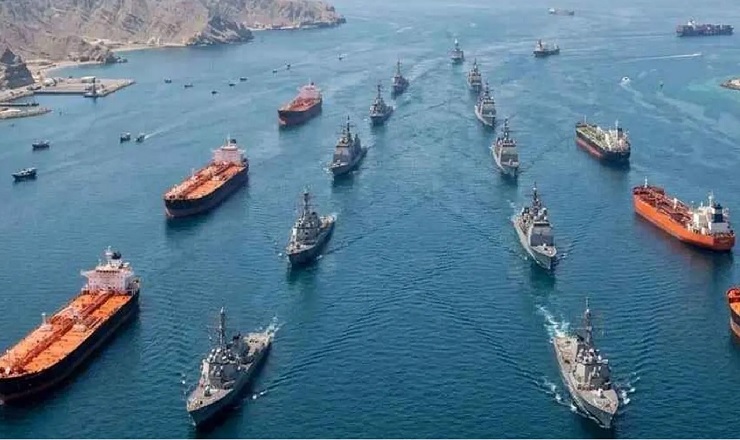
জরুরি প্রতিক্রিয়া: অপারেশন উর্জা সুরক্ষা – সাম্প্রতিক উত্তেজনা বৃদ্ধি পেলে নৌবাহিনী সরাসরি এসকর্ট অভিযান শুরু করে:
- যুদ্ধজাহাজের শক্তি: ছয়টির বেশি আধুনিক যুদ্ধজাহাজ, যার মধ্যে ব্রহ্মোস ক্ষেপণাস্ত্রে সজ্জিত 'বিশাখাপত্তনম' শ্রেণীর ধ্বংসকারী জাহাজ (INS সুরাট, INS ইম্ফাল, INS বিশাখাপত্তনম) উল্লেখযোগ্য।
- নিরাপদ করিডোর: ইরানের সাথে সমন্বয়ে নির্দিষ্ট রুট ও সময়সূচি অনুসরণ করে জাহাজগুলো প্রণালী পার হয় এবং ভারতীয় যুদ্ধজাহাজ তাদের এসকর্ট করে।
🤝 কূটনৈতিক দক্ষতা: সম্পর্কের সুবিধা নেওয়া
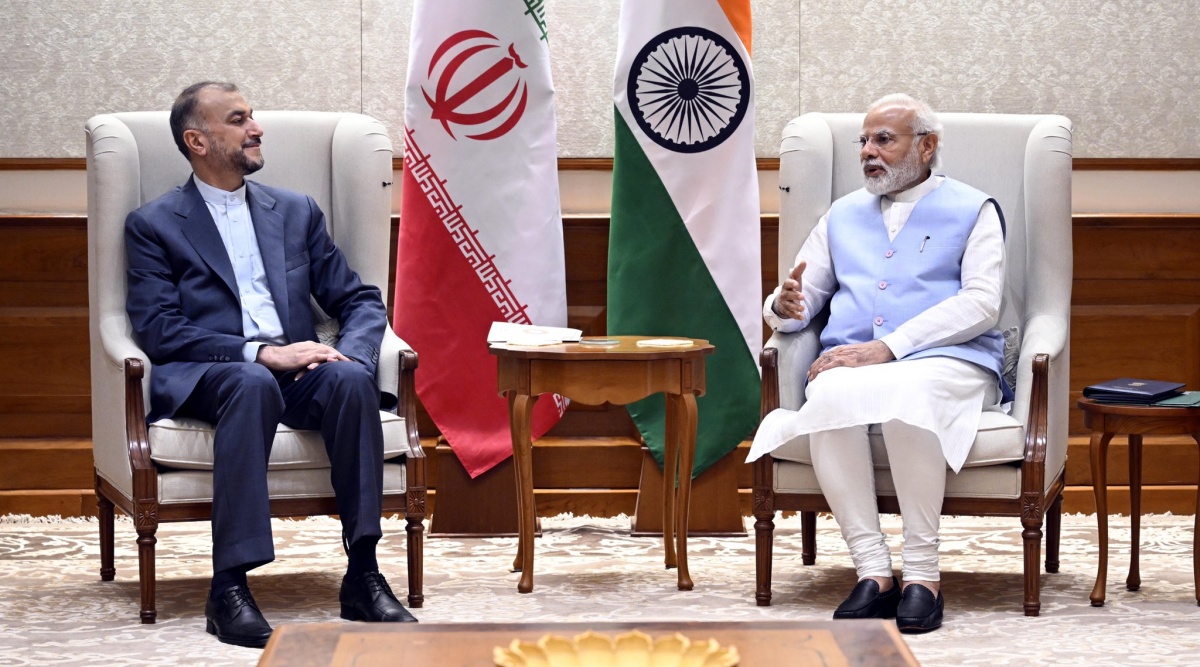
ইরানের সাথে গভীর দ্বিপাক্ষিক সম্পর্ক – ভারত-ইরান সম্পর্ক ঐতিহাসিকভাবে বন্ধুত্বপূর্ণ। ইরানের পররাষ্ট্রমন্ত্রী আব্বাস আরাগচি স্পষ্ট জানিয়েছেন, "বন্ধুত্বপূর্ণ দেশ" ভারতের ব্যবসা-বাণিজ্য নিরাপদ থাকবে। ইরানের সর্বোচ্চ নেতার প্রতিনিধি বলেছেন, ভারতকে এই বিশেষ অনুমতি ৫,০০০ বছরের সাংস্কৃতিক ও বাণিজ্যিক সম্পর্কেরই প্রতিফলন।
মার্কিন জোটের প্রস্তাব প্রত্যাখ্যান – ভারত যুক্তরাষ্ট্রের বহুজাতিক নৌ জোটে অংশ নিতে অস্বীকৃতি জানায় এবং নিজের পতাকার নিচে, নিজের শক্তিতে স্বার্থ রক্ষায় সচেষ্ট হয়।
📜 হরমুজ পারাপারের জটিল প্রক্রিয়া
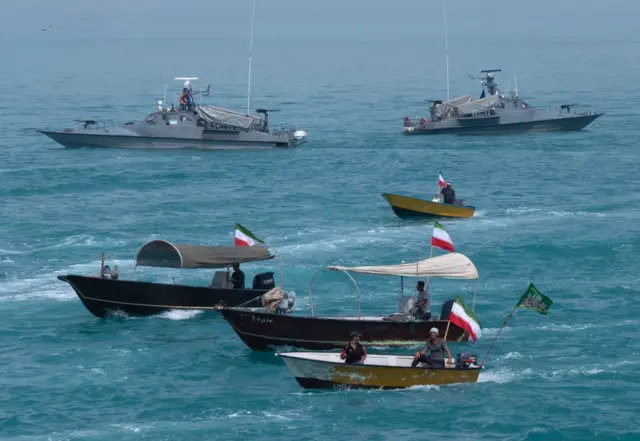
- কূটনৈতিক যোগাযোগ ও অগ্রাধিকার: পররাষ্ট্র মন্ত্রণালয় ইরানের কর্তৃপক্ষ ও IRGC-এর সাথে যোগাযোগ করে। ইরানের "বহু-স্তরীয় ফিল্টারেশন ব্যবস্থায়" ভারতের মতো বন্ধুপ্রতিম দেশগুলোর জাহাজ অগ্রাধিকার পায়।
- যাচাই-বাছাই ও চূড়ান্ত অনুমোদন: জাহাজ যাচাইয়ের পর ইরানের পররাষ্ট্রমন্ত্রীর মাধ্যমে চূড়ান্ত অনুমোদন দেওয়া হয়। IRGC জাহাজে আমেরিকান বা ইসরায়েলি যোগসূত্র যাচাই করে।
- নিরাপদ করিডোর: ইরান উপকূলের কাছাকাছি একটি নিরাপদ করিডোর তৈরি করেছে এবং ভারতীয় কর্মকর্তারা আঞ্চলিক কর্তৃপক্ষের সাথে সমন্বয় করে জাহাজ চলাচল সহজতর করে।
🛡️ 'কৌশলগত স্বায়ত্তশাসন' নীতির বাস্তব প্রয়োগ

ভারত তার "কৌশলগত স্বায়ত্তশাসন" নীতি প্রয়োগ করে যুক্তরাষ্ট্রের জোটে না গিয়ে ইরানের সাথে সরাসরি আলোচনা চালিয়েছে। নৌবাহিনীর শক্তিশালী উপস্থিতি ইরানকে স্পষ্ট বার্তা দিয়েছে—ভারত তার স্বার্থ রক্ষায় সম্পূর্ণ সক্ষম। এটি কূটনীতি ও সামরিক শক্তির এক বিরল সমন্বয়।
🚨 চ্যালেঞ্জ ও ভবিষ্যৎ করণীয়

২০২৫ সালের ডিসেম্বরে IRGC ১৬ জন ভারতীয় নাবিককে আটক করে এবং ২০২৬ সালের এপ্রিলে ভারতীয় জাহাজে গুলি চালায়। ভারত প্রতিবাদ জানিয়ে নিরাপদ উত্তরণের দাবি জানায়। এটি প্রমাণ করে, এই সুবিধা কোনো স্বতঃসিদ্ধ অধিকার নয়, বরং ধারাবাহিক কূটনৈতিক চাপ ও সমন্বয়ের ফল।
🌍 নতুন মাত্রা: যুদ্ধবিরতি, ইসরায়েলের হামলা ও হরমুজের ভবিষ্যৎ
🤝 মার্কিন-ইরান যুদ্ধবিরতি আলোচনা
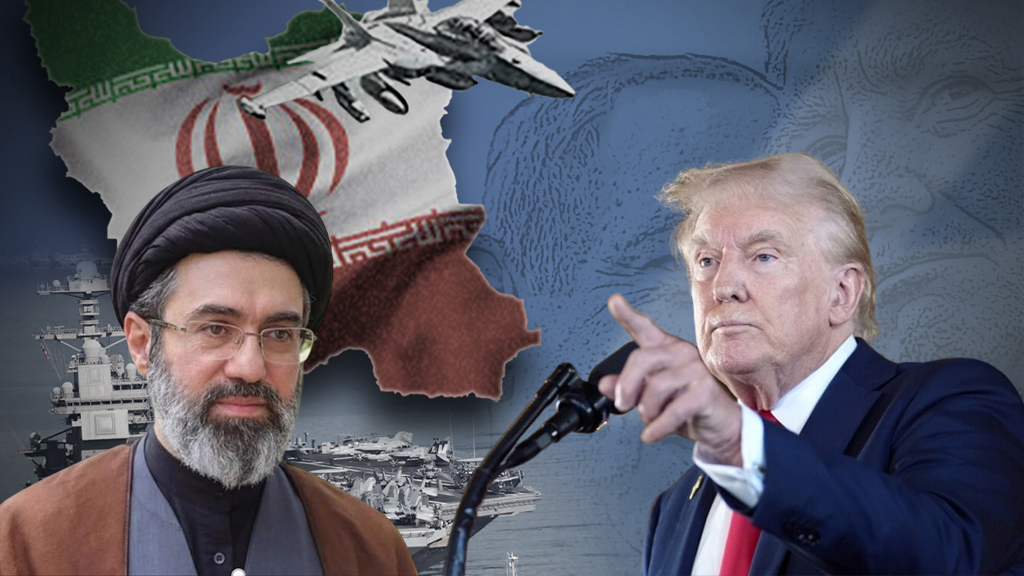
২০২৬ সালের জুনে পাকিস্তানের মধ্যস্থতায় মার্কিন-ইরান সমঝোতা স্মারক স্বাক্ষরিত হয়। শর্তাবলির মধ্যে ছিল: সামরিক অভিযানের সমাপ্তি, হরমুজ পুনরায় খোলা এবং ৬০ দিনের মধ্যে পারমাণবিক কর্মসূচি ও নিষেধাজ্ঞা নিয়ে আলোচনা। ভারত এই উদ্যোগকে স্বাগত জানায়।
⚔️ বাধা: ইসরাইলের লেবাননে হামলা

চুক্তি স্বাক্ষরের কয়েক ঘণ্টা আগে ইসরাইল লেবাননে হামলা চালায় এবং অনির্দিষ্টকালের জন্য সেখানে অবস্থানের ঘোষণা দেয়। পরে মার্কিন-কাতারের মধ্যস্থতায় ইসরাইল-হিজবুল্লাহ যুদ্ধবিরতি কার্যকর হয়। এই ঘটনা ইসরাইলকে এই সমীকরণের একটি অনিশ্চিত চলকে পরিণত করেছে।
🔄 হরমুজ পুনরায় বন্ধ
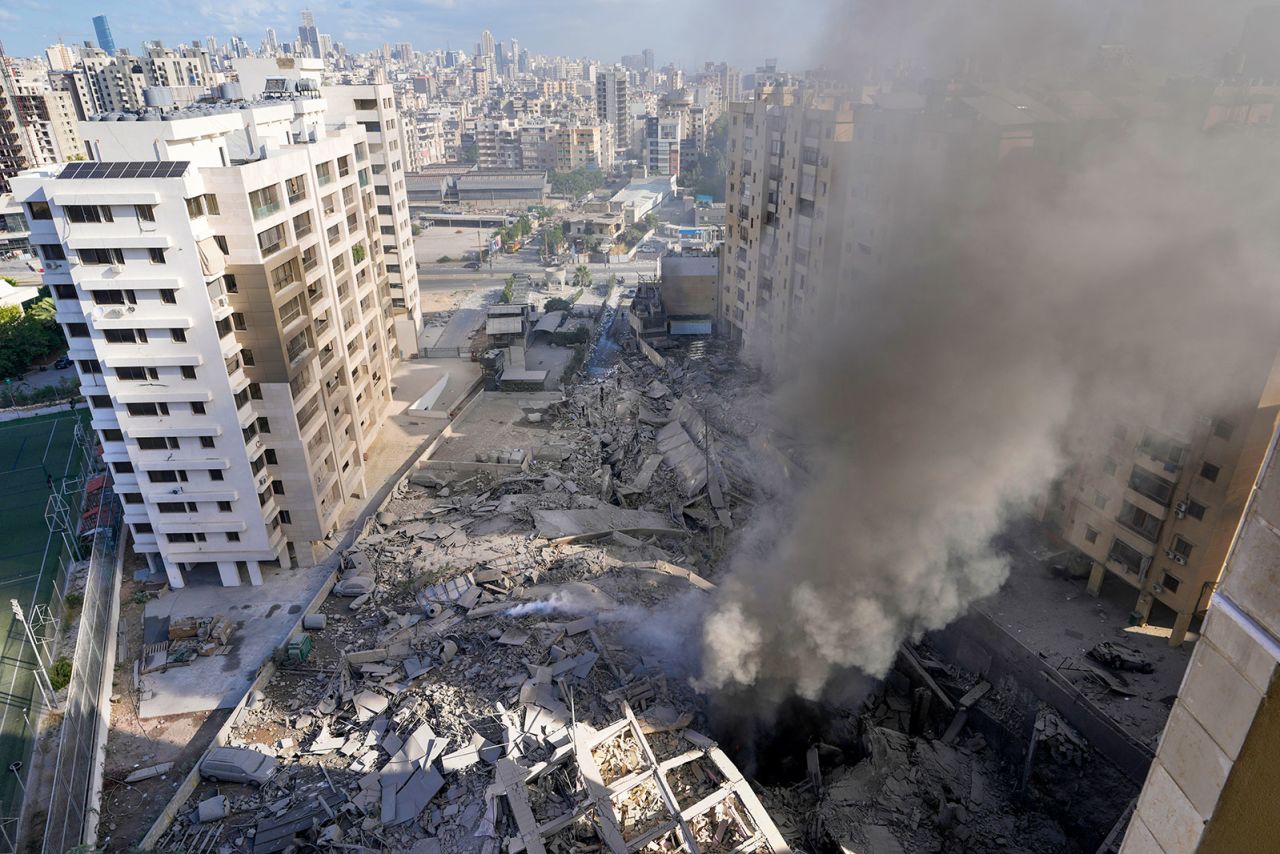
ইসরাইলের হামলার প্রতিক্রিয়ায় ইরান আবারও হরমুজ বন্ধ করে দেয় এবং তার 'লাল রেখা' অতিক্রম করতে দেবে না বলে সতর্ক করে। হরমুজ এই অঞ্চলের ভূ-রাজনৈতিক সংঘাতের একটি প্রধান অস্ত্র হয়ে উঠেছে।
🔮 ভবিষ্যত সম্ভাবনা: অনিশ্চয়তার মধ্যেই আশা
💎 উপসংহার: বহুমাত্রিক জটিলতার মধ্যেই ভারতের কৌশলগত সাফল্য
হরমুজ প্রণালীতে ভারতের নিরবচ্ছিন্ন যাত্রা শুধুমাত্র দ্বিপাক্ষিক সম্পর্ক ও নৌশক্তির ফল নয়; এটি আঞ্চলিক ও বৈশ্বিক ভূ-রাজনীতির জটিল অংশ। মার্কিন-ইরান যুদ্ধবিরতি, ইসরাইলের লেবাননে হামলা এবং হরমুজের বারবার খোলা-বন্ধ হওয়া প্রমাণ করে এই অঞ্চলের স্থিতিশীলতা অত্যন্ত ভঙ্গুর। ভারতকে জ্বালানি সরবরাহে বৈচিত্র্য আনা এবং দীর্ঘমেয়াদি কৌশল গ্রহণ করতে হবে।
ভারত প্রমাণ করেছে যে, বড় শক্তির সাথে সামরিক জোটে না গিয়েও নিজস্ব সক্ষমতা ও বুদ্ধিমত্তার মাধ্যমে আঞ্চলিক সংকটে স্বার্থ রক্ষা করা সম্ভব। তবে ইসরাইলের মতো শক্তিশালী অভিনেতা, ইরানের অনিশ্চিত প্রতিক্রিয়া এবং কূটনীতির জটিলতা নতুন চ্যালেঞ্জ তৈরি করবে। ভারতকে কৌশলগত সতর্কতা ও কূটনৈতিক চাতুর্য বজায় রেখে এই ভঙ্গুর ভারসাম্য রক্ষা করতে হবে।
✦ গোল্ডেন ওয়েভ টুলস – ২০২৬ ✦

Shiben
As you came here, so you must go. So don't delay, do the main thing, many real genes will know or understand.


