
TAKE CARE OF YOUR SELF & PROTECT YOUR CHILD IN THE GLOBAL WARMING DAYS
🌍 1. Why Global Warming Happens & Its Direct Effect on Humans
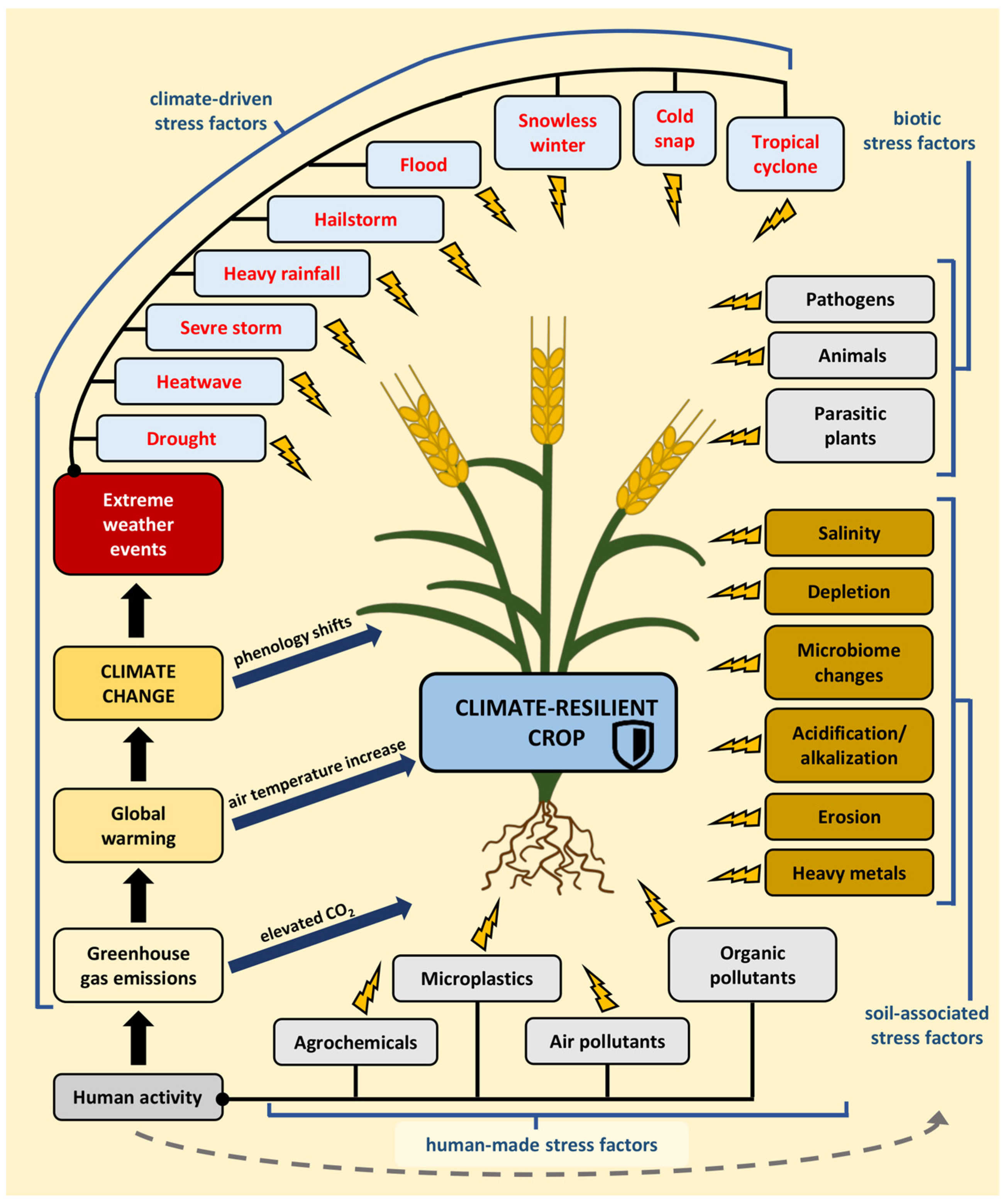
Why it happens: Human activities like burning fossil fuels (coal, oil, gas), deforestation, and industrial agriculture release greenhouse gases (CO₂, methane). These gases trap heat in the atmosphere, causing the planet's average temperature to rise. Since the Industrial Revolution, Earth has warmed by approximately 1.2°C.
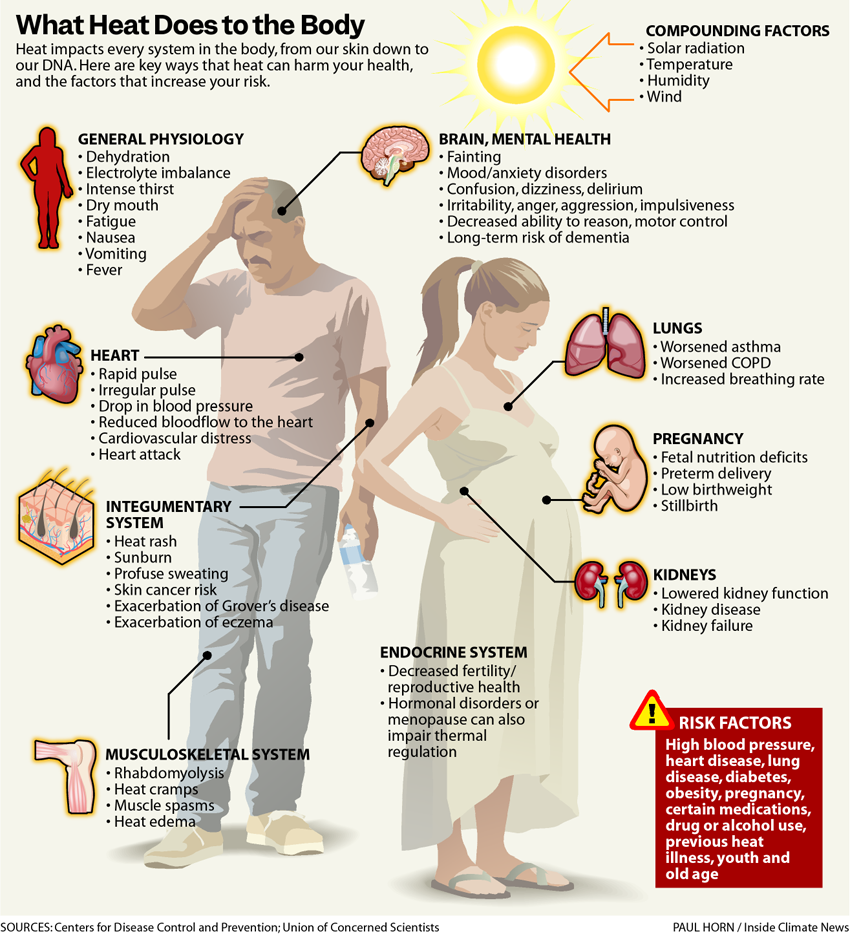
Direct effects on the human body: Rising temperatures lead to heatstroke, severe dehydration, and cardiovascular stress. Warmer climates expand the range of diseases like dengue and malaria. Additionally, air pollution from wildfires worsens respiratory illnesses. Mental health is also affected, with rising cases of "eco-anxiety" and climate-related trauma.
🥗 2. What Food to Eat (Climate-Resilient Diet)
- 🌾 Millets & SorghumDrought-tolerant, rich in iron & magnesium
- 🐟 Plant Proteins (Lentils, Tofu)Very low carbon & water footprint
- 🍠 Sweet PotatoesHeat-resistant & high in Vitamin A
- 🥬 Moringa & AmaranthSurvive extreme temperatures, nutrient-dense
- 🥑 Seasonal, Local VegetablesReduces transportation & refrigeration emissions
👕 3. What Clothes to Wear in a Warming World
- 🧥 Light, Loose FabricsCotton, linen, bamboo — breathable and sweat-absorbent
- ☀️ UV-Protective ClothingUPF 50+ shirts, wide-brim hats, and sunglasses
- 🎽 Light ColorsReflect sunlight instead of absorbing heat
- 🧢 Cooling AccessoriesNeck gaiters, cooling towels, and portable fans
- ♻️ Sustainable FabricsRecycled polyester, hemp — lower carbon production

💡 4. Special Suggestions for Daily Life
✅ 5. What to DO (Climate Action & Safety)
❌ 6. What NOT to DO
👶 7. Special Message: Protecting Little Children from Extreme Heat
🌸 To all parents, grandparents, and caregivers:
Children are far more vulnerable to heat because their bodies heat up 3-5 times faster than adults, and they sweat less. During extreme heat waves, please remember:
- 🔹 Never, ever leave a child alone in a parked car. Even for 5 minutes. The temperature inside can reach deadly levels in minutes.
- 🔹 Dress babies and toddlers in light, loose, cotton clothes. Use a stroller fan and a breathable shade cover.
- 🔹 Offer water every 30 minutes. Avoid sugary drinks — they cause dehydration.
- 🔹 Play indoors or in shaded parks between 11 AM – 4 PM. Use wet cloths to cool their forehead and neck if they feel hot.
- 🔹 Watch for warning signs: excessive crying, red dry skin, rapid breathing, or unusual tiredness. Move to a cool area and call a doctor immediately.
💚 Little ones trust us to keep them safe. Let us adapt together with love, awareness, and urgent action.


Shiben
As you came here, so you must go. So don't delay, do the main thing, many real genes will know or understand.


