Ghost Particle · Neutrino & Dr. Francis Halzen (Winner of Noble Prize in Physics)
Shiben
13 Oct, 2026
Ghost Particle · Neutrino & Francis Halzen
GhostParticle·Neutrino
Golden Web Tools
by Golden Web Tools · October 2026লেখক Golden Web Tools · অক্টোবর ২০২৬
1. Dr. Francis Halzen — The Visionary Behind IceCube
Dr. Francis Halzen, University of Wisconsin–Madison
Francis Halzen was born on 23 March 1944 in Tienen, a small town in Flemish Brabant, Belgium. He studied physics at KU Leuven and UC Louvain, then worked as a scientist at CERN, the European research centre known for its large particle accelerator, between 1969 and 1971. In 1972, he joined the University of Wisconsin–Madison, where he has remained for over five decades as a Vilas Research Professor.
For most of his career, Halzen was a theoretical particle physicist. But in the late 1980s, he made a dramatic pivot that would define his legacy. He became convinced that the vast, ultraclear ice at the South Pole could be transformed into the world's largest neutrino detector. This idea was considered radical—even reckless—by many of his peers. Yet Halzen's persistence turned it into reality.
Career highlights: Halzen is the first solo recipient of the physics Nobel since 1992. He was also awarded the 2018 Bruno Pontecorvo Prize for his neutrino work. He has been a professor at Wisconsin–Madison since 1972 and remains active in the IceCube collaboration.
১. ড. ফ্রান্সিস হ্যালজেন — আইসকিউবের পেছনের দূরদর্শী বিজ্ঞানী
ড. ফ্রান্সিস হ্যালজেন, ইউনিভার্সিটি অফ উইসকনসিন–ম্যাডিসন
ফ্রান্সিস হ্যালজেন১৯৪৪ সালের ২৩ মার্চ বেলজিয়ামের ফ্লেমিশ ব্রাবান্টের ছোট্ট শহর টিনেনে জন্মগ্রহণ করেন। তিনি KU Leuven ও UC Louvain-এ পদার্থবিজ্ঞান অধ্যয়ন করেন, এরপর ১৯৬৯ থেকে ১৯৭১ সালের মধ্যে CERN-এ বিজ্ঞানী হিসেবে কাজ করেন। ১৯৭২ সালে তিনি ইউনিভার্সিটি অফ উইসকনসিন–ম্যাডিসনে যোগ দেন, যেখানে তিনি পাঁচ দশকেরও বেশি সময় ধরে ভিলাস রিসার্চ প্রফেসর হিসেবে রয়েছেন।
কর্মজীবনের বেশিরভাগ সময় তিনি ছিলেন একজন তাত্ত্বিক কণা পদার্থবিজ্ঞানী। কিন্তু ১৯৮০-এর দশকের শেষের দিকে তিনি একটি সাহসী সিদ্ধান্ত নেন, যা তাঁর উত্তরাধিকার নির্ধারণ করে দেয়। তিনি বিশ্বাস করতে শুরু করেন, দক্ষিণ মেরুর বিশাল ও অতি-স্বচ্ছ বরফকে পৃথিবীর বৃহত্তম নিউট্রিনো ডিটেক্টরে রূপান্তরিত করা সম্ভব। এই ধারণাটি অনেকের কাছে উন্মাদ বলে মনে হয়েছিল। তবুও হ্যালজেনের অধ্যবসায় এটিকে বাস্তবে পরিণত করে।
কর্মজীবনের হাইলাইট: হ্যালজেন ১৯৯২ সালের পর প্রথম একক নোবেল বিজয়ী। তিনি নিউট্রিনো গবেষণার জন্য ২০১৮ সালের ব্রুনো পন্টেকরভো পুরস্কারও পেয়েছেন। ১৯৭২ সাল থেকে তিনি উইসকনসিন–ম্যাডিসনে অধ্যাপক এবং এখনও আইসকিউব সহযোগিতায় সক্রিয়।
2. Nobel Prize 2026 — A Historic Win
The IceCube Neutrino Observatory at the South Pole — a cubic kilometer of instrumented ice
On 6 October 2026, the Royal Swedish Academy of Sciences announced that Francis Halzen had been awarded the Nobel Prize in Physics "for decisive contributions to the IceCube Neutrino Observatory and the discovery of high-energy neutrinos of astrophysical origin". The announcement was made in Stockholm by Ellen Moons, secretary general of the Academy.
"Francis Halzen has led an international team of researchers and engineers who have given us a fantastic instrument," said Mark Pearce, chair of the Nobel Committee for Physics. "His tenacity and scientific vision have paved the way for a new kind of astronomy".
At the press conference, Pearce held up his hand to illustrate the scale of the invisible: "More than 1 billion neutrinos are passing through my hand every second". Most of those come from the Sun. But IceCube was built to catch the far rarer, far more energetic neutrinos from deep space.
২. নোবেল পুরস্কার ২০২৬ — এক ঐতিহাসিক জয়
দক্ষিণ মেরুতে আইসকিউব নিউট্রিনো অবজারভেটরি — এক ঘন কিলোমিটার যন্ত্রসজ্জিত বরফ
২০২৬ সালের ৬ অক্টোবর রয়্যাল সুইডিশ একাডেমি অফ সায়েন্সেস ঘোষণা করে যে ফ্রান্সিস হ্যালজেনকে পদার্থবিজ্ঞানে নোবেল পুরস্কার দেওয়া হয়েছে "আইসকিউব নিউট্রিনো অবজারভেটরিতে নির্ণায়ক অবদান এবং জ্যোতির্পদার্থবৈজ্ঞানিক উৎসের উচ্চ-শক্তি নিউট্রিনো আবিষ্কারের জন্য"। ঘোষণাটি স্টকহোমে একাডেমির মহাসচিব এলেন মুনস করেন।
"ফ্রান্সিস হ্যালজেন গবেষক ও প্রকৌশলীদের একটি আন্তর্জাতিক দলের নেতৃত্ব দিয়েছেন, যারা আমাদের একটি অসাধারণ যন্ত্র উপহার দিয়েছেন," বলেছেন নোবেল কমিটি ফর ফিজিক্সের চেয়ারম্যান মার্ক পিয়ার্স। "তাঁর অধ্যবসায় ও বৈজ্ঞানিক দূরদর্শিতা এক নতুন ধরনের জ্যোতির্বিজ্ঞানের পথ প্রশস্ত করেছে।"
সংবাদ সম্মেলনে পিয়ার্স তাঁর হাত তুলে অদৃশ্যের মাত্রা বোঝান: "প্রতি সেকেন্ডে ১০০ কোটিরও বেশি নিউট্রিনো আমার হাতের মধ্য দিয়ে যাচ্ছে"। এর বেশিরভাগই সূর্য থেকে আসে। কিন্তু আইসকিউব তৈরি করা হয়েছে মহাকাশের গভীর থেকে আসা অনেক বিরল ও অনেক বেশি শক্তিশালী নিউট্রিনো ধরার জন্য।
3. The Journey: From Impossible Idea to Nobel Prize
Cosmic rays lose their way in magnetic fields — neutrinos do not
The Problem: Cosmic Rays Lose Their Way
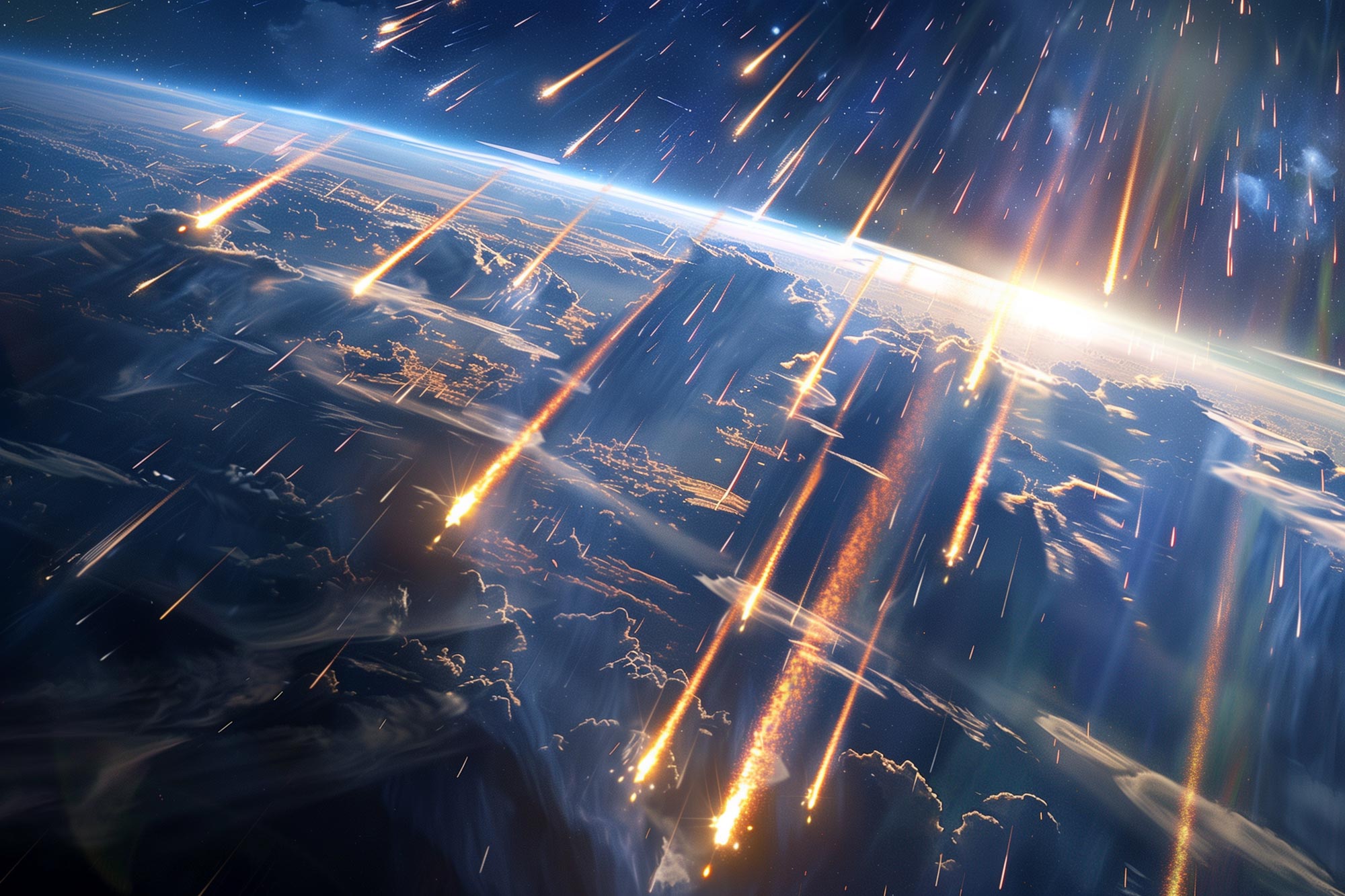
High-energy cosmic rays—mostly protons and atomic nuclei—bombard Earth from deep space. But because they are electrically charged, their paths bend in magnetic fields as they travel. By the time they reach us, they no longer point back to their sources. Neutrinos, however, are electrically neutral. They fly straight from their origins, unimpeded by magnetic fields or intervening matter. If you could detect them, you could trace them back to the violent cosmic engines that created them.
The Solution: A Kilometer of Antarctic Ice
In the late 1980s, Halzen realized that the ultraclear ice at the South Pole could serve as both the detector medium and the target for neutrino interactions. When a neutrino collides with an atomic nucleus in the ice, it produces a charged particle that radiates a faint blue flash of Cherenkov light. By burying thousands of light sensors in the ice, you could capture that flash and reconstruct the neutrino's direction and energy.
The challenge was enormous. A cubic kilometer of ice has a mass of about 1 billion metric tons, but even so, only a handful of cosmic neutrinos might interact within it each year. The detector had to be massive—and it had to work in one of the harshest environments on Earth.
AMANDA: The Precursor That Proved It Could Work
Before IceCube, Halzen and his colleagues built AMANDA (Antarctic Muon And Neutrino Detector Array), a smaller prototype that operated from 1996 to 2005. AMANDA lowered strings of phototubes hundreds of meters into the ice using hot-water drills. "No one thought AMANDA was going to work," recalls Janet Conrad, a physicist at MIT. "People thought, 'There's no way phototubes can survive in that environment'".
But they did survive. The glass spheres housing the phototubes held up, and AMANDA detected neutrinos—mostly those produced when cosmic rays strike the atmosphere. More importantly, it proved that the ice was clear enough and the technology reliable enough to scale up.
Building IceCube: A Decade of Engineering
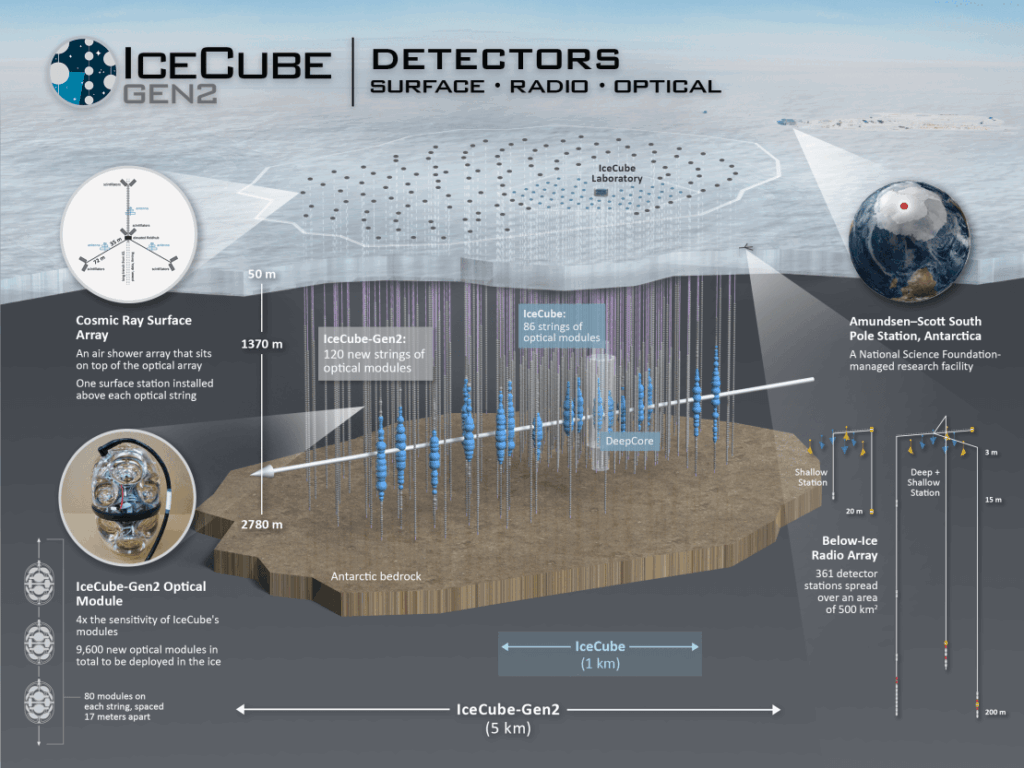
Halzen obtained funding from the National Science Foundation in 2002. Construction began in 2004 and was completed in 2010, with the first full year of operation in 2011. The final detector consists of 86 strings, each holding 60 optical sensors, deployed at depths between 1.4 and 2.5 kilometers. In total, 5,160 sensors form a three-dimensional grid spanning a cubic kilometer.
The project cost approximately $279 million, funded primarily by the U.S. National Science Foundation, with contributions from 14 countries. Today, the IceCube collaboration includes about 450 researchers from around the world.
Why ice? Unlike water, deep Antarctic ice is free from light-emitting marine organisms, earthquakes, and currents. It is geologically stable, optically clear, and has been frozen for hundreds of thousands of years. It is, as Halzen realized, the perfect medium for catching ghosts.
৩. যাত্রা: অসম্ভব ধারণা থেকে নোবেল পুরস্কার
মহাজাগতিক রশ্মি চৌম্বক ক্ষেত্রে পথ হারায় — কিন্তু নিউট্রিনো নয়
সমস্যা: মহাজাগতিক রশ্মির পথ হারানো
উচ্চ-শক্তির মহাজাগতিক রশ্মি—বেশিরভাগই প্রোটন ও পারমাণবিক নিউক্লিয়াস—মহাকাশের গভীর থেকে পৃথিবীতে আঘাত হানে। কিন্তু তারা বৈদ্যুতিকভাবে আধানযুক্ত হওয়ায়, যাত্রাপথে চৌম্বক ক্ষেত্রে তাদের পথ বেঁকে যায়। আমাদের কাছে পৌঁছানোর সময় তারা আর নিজের উৎসের দিকে ইঙ্গিত করে না। কিন্তু নিউট্রিনো বৈদ্যুতিকভাবে নিরপেক্ষ। তারা নিজের উৎস থেকে সোজা ছুটে আসে, চৌম্বক ক্ষেত্র বা বাধাদায়ক পদার্থ দ্বারা প্রভাবিত হয় না। যদি সেগুলো শনাক্ত করা যায়, তবে তাদের সৃষ্টিকারী হিংস্র মহাজাগতিক ইঞ্জিনের সন্ধান পাওয়া সম্ভব।
সমাধান: এক কিলোমিটার অ্যান্টার্কটিক বরফ
১৯৮০-এর দশকের শেষের দিকে হ্যালজেন উপলব্ধি করেন, দক্ষিণ মেরুর অতি-স্বচ্ছ বরফ একইসঙ্গে ডিটেক্টর মাধ্যম এবং নিউট্রিনো মিথস্ক্রিয়ার লক্ষ্য হিসেবে কাজ করতে পারে। যখন একটি নিউট্রিনো বরফের মধ্যে একটি পারমাণবিক নিউক্লিয়াসের সঙ্গে সংঘর্ষ করে, তখন এটি একটি আধানযুক্ত কণা উৎপন্ন করে, যা একটি ক্ষীণ নীল চেরেনকভ আলোর ঝলক বিকিরণ করে। বরফের মধ্যে হাজার হাজার আলো-সংবেদী যন্ত্র পুঁতে রাখলে সেই ঝলক ধরা যায় এবং নিউট্রিনোর দিক ও শক্তি পুনর্গঠন করা যায়।
চ্যালেঞ্জটি ছিল বিশাল। এক ঘন কিলোমিটার বরফের ভর প্রায় ১০০ কোটি মেট্রিক টন, তবুও প্রতি বছর মাত্র কয়েকটি মহাজাগতিক নিউট্রিনো এর মধ্যে মিথস্ক্রিয়া করতে পারে। ডিটেক্টরটিকে বিশাল হতে হতো—এবং পৃথিবীর অন্যতম প্রতিকূল পরিবেশে কাজ করতে হতো।
আমান্ডা: পূর্বসূরি যা প্রমাণ করল এটি সম্ভব
আইসকিউবের আগে হ্যালজেন ও তাঁর সহকর্মীরা আমান্ডা (অ্যান্টার্কটিক মিউওন অ্যান্ড নিউট্রিনো ডিটেক্টর অ্যারে) তৈরি করেন, একটি ছোট প্রোটোটাইপ যা ১৯৯৬ থেকে ২০০৫ সাল পর্যন্ত চালু ছিল। আমান্ডা গরম পানির ড্রিল ব্যবহার করে বরফের মধ্যে শত শত মিটার গভীরে ফটোটিউবের স্ট্রিং নামায়। "কেউ ভাবেনি আমান্ডা কাজ করবে," স্মরণ করেন এমআইটির পদার্থবিজ্ঞানী জ্যানেট কনরাড। "লোকে ভাবত, 'এই পরিবেশে ফটোটিউব টিকতেই পারে না'।"
কিন্তু তারা টিকে গিয়েছিল। ফটোটিউব ধারণকারী কাচের গোলকগুলো টিকে যায়, এবং আমান্ডা নিউট্রিনো শনাক্ত করে—বেশিরভাগই সেইগুলো, যা মহাজাগতিক রশ্মি বায়ুমণ্ডলে আঘাত হানার সময় উৎপন্ন হয়। আরও গুরুত্বপূর্ণ হলো, এটি প্রমাণ করে যে বরফ যথেষ্ট স্বচ্ছ এবং প্রযুক্তি যথেষ্ট নির্ভরযোগ্য, বড় পরিসরে সম্প্রসারণের জন্য।
আইসকিউব নির্মাণ: এক দশকের প্রকৌশল
হ্যালজেন ২০০২ সালে ন্যাশনাল সায়েন্স ফাউন্ডেশন থেকে অর্থায়ন পান। নির্মাণকাজ ২০০৪ সালে শুরু হয় এবং ২০১০ সালে সম্পন্ন হয়, প্রথম পূর্ণ বছরের পরিচালনা ২০১১ সালে। চূড়ান্ত ডিটেক্টরে ৮৬টি স্ট্রিং রয়েছে, প্রতিটিতে ৬০টি অপটিক্যাল সেন্সর, যা ১.৪ থেকে ২.৫ কিলোমিটার গভীরে স্থাপিত। মোট ৫,১৬০টি সেন্সর এক ঘন কিলোমিটার জুড়ে ত্রিমাত্রিক গ্রিড তৈরি করে।
প্রকল্পটির ব্যয় প্রায় ২৭৯ মিলিয়ন ডলার, প্রধানত মার্কিন ন্যাশনাল সায়েন্স ফাউন্ডেশন দ্বারা অর্থায়িত, সঙ্গে ১৪টি দেশের অবদান। আজ আইসকিউব সহযোগিতায় বিশ্বজুড়ে প্রায় ৪৫০ জন গবেষক রয়েছেন।
কেন বরফ? পানির বিপরীতে, গভীর অ্যান্টার্কটিক বরফে আলো-নিঃসরণকারী সামুদ্রিক জীব, ভূমিকম্প বা স্রোত নেই। এটি ভূতাত্ত্বিকভাবে স্থিতিশীল, অপটিক্যালি স্বচ্ছ, এবং শত শত হাজার বছর ধরে জমাট। হ্যালজেন যেমন উপলব্ধি করেছিলেন, এটি ভূত ধরার জন্য নিখুঁত মাধ্যম।
4. What Exactly Is a Neutrino?
Most of the energy of a collapsing supernova is radiated in the form of neutrinos
Definition: A neutrino is an electrically neutral, nearly massless elementary particle that travels at close to the speed of light and interacts only via the weak nuclear force and gravity. It is one of the 17 fundamental particles in the Standard Model of particle physics.
Neutrinos are among the most abundant particles in the universe. About 65 billion solar neutrinos pass through every square centimetre of Earth every second. Yet they almost never interact—a typical neutrino could travel through a light-year of lead without stopping. This is why they are called "ghost particles."
There are three known "flavors" of neutrino: electron neutrino (νₑ), muon neutrino (ν_μ), and tau neutrino (ν_τ). They can transform between flavors as they travel, a quantum phenomenon called neutrino oscillation.
৪. নিউট্রিনো আসলে কী?
একটি সংকুচিত সুপারনোভার বেশিরভাগ শক্তি নিউট্রিনো আকারে বিকিরিত হয়
সংজ্ঞা: নিউট্রিনো একটি বৈদ্যুতিকভাবে নিরপেক্ষ, প্রায় ভরহীন মৌলিক কণা, যা আলোর কাছাকাছি গতিতে চলে এবং শুধুমাত্র দুর্বল নিউক্লীয় বল ও মহাকর্ষের মাধ্যমে মিথস্ক্রিয়া করে। এটি কণা পদার্থবিজ্ঞানের স্ট্যান্ডার্ড মডেলের ১৭টি মৌলিক কণার একটি।
নিউট্রিনো মহাবিশ্বের সবচেয়ে প্রচুর পরিমাণে থাকা কণাগুলোর একটি। প্রতি সেকেন্ডে পৃথিবীর প্রতি বর্গ সেন্টিমিটারে প্রায় ৬৫ বিলিয়ন সৌর নিউট্রিনো প্রবাহিত হয়। তবুও তারা প্রায় কখনোই মিথস্ক্রিয়া করে না—একটি সাধারণ নিউট্রিনো এক আলোকবর্ষ সীসার মধ্য দিয়ে না থেমে যেতে পারে। এজন্যই তাদের "ভূত কণা" বলা হয়।
নিউট্রিনোর তিনটি পরিচিত "ফ্লেভার" রয়েছে: ইলেকট্রন নিউট্রিনো (νₑ), মিউওন নিউট্রিনো (ν_μ) এবং টাউ নিউট্রিনো (ν_τ)। তারা যাত্রাপথে ফ্লেভারের মধ্যে রূপান্তরিত হতে পারে, এই কোয়ান্টাম ঘটনাকে নিউট্রিনো দোলন বলা হয়।
5. Nicknames of the Neutrino
The many names of the ghost particle
Ghost Particle — passes through matter almost without a trace.
Little Neutral One — the literal meaning of "neutrino" in Italian.
Elusive Particle — because it is so extraordinarily difficult to detect.
The Particle That Wasn't There — a playful nod to its near-invisibility.
৫. নিউট্রিনোর ডাকনাম
ভূত কণার অনেক নাম
ভূত কণা — প্রায় কোনো চিহ্ন না রেখে পদার্থের মধ্য দিয়ে চলে যায়।
ছোট্ট নিরপেক্ষ কণা — ইতালীয় ভাষায় "নিউট্রিনো" শব্দের আক্ষরিক অর্থ।
দুর্ধর্ষ কণা — কারণ এটি শনাক্ত করা অসাধারণ কঠিন।
যে কণা সেখানে ছিল না — এর প্রায়-অদৃশ্যতার প্রতি একটি রসিক ইঙ্গিত।
6. History: How the Neutrino Was Invented
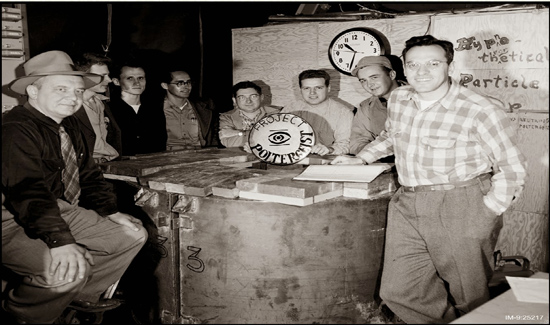
Frederick Reines and Clyde Cowan — the first to detect the neutrino in 1956
In December 1930, Wolfgang Pauli wrote a famous letter to a physics conference in Tübingen—excusing his absence because he had to attend a dance in Zürich—in which he proposed a tiny, neutral particle to explain energy loss in beta decay. He called it a "neutron," but after James Chadwick discovered the heavy neutron in 1932, Enrico Fermi renamed Pauli's particle the "neutrino"—Italian for "little neutral one".
Pauli's idea was so radical that he himself doubted it would ever be verified. "I have done a terrible thing," he reportedly said. "I have postulated a particle that cannot be detected." It took 26 years for his prediction to be confirmed. In 1956, Frederick Reines and Clyde Cowan sent a telegram to Pauli announcing that they had detected neutrinos from a nuclear reactor at the Savannah River Site. Pauli famously interrupted a dinner party to read the telegram aloud, then remarked that he was now "sad" because the mystery was gone.
৬. ইতিহাস: নিউট্রিনো কীভাবে আবিষ্কৃত হয়েছিল
ফ্রেডরিক রেইনস ও ক্লাইড কোয়ান — ১৯৫৬ সালে প্রথম নিউট্রিনো শনাক্তকারী
১৯৩০ সালের ডিসেম্বর মাসে উলফগ্যাং পাউলি টুবিনজেনের একটি পদার্থবিজ্ঞান সম্মেলনে একটি বিখ্যাত চিঠি লেখেন—জুরিখে নাচের অনুষ্ঠানে যাওয়ার কারণে অনুপস্থিতির excuse দিয়ে—যেখানে তিনি বিটা ক্ষয়ে শক্তির ক্ষতি ব্যাখ্যা করতে একটি ক্ষুদ্র, নিরপেক্ষ কণার প্রস্তাব দেন। তিনি এটিকে "নিউট্রন" বলেছিলেন, কিন্তু ১৯৩২ সালে জেমস চ্যাডউইক ভারী নিউট্রন আবিষ্কার করার পর এনরিকো ফার্মি পাউলির কণার নাম দেন "নিউট্রিনো"—ইতালীয় ভাষায় "ছোট্ট নিরপেক্ষ কণা"।
পাউলির ধারণাটি এতটাই মৌলিক ছিল যে তিনি নিজেই সন্দেহ করতেন এটি কখনো যাচাই হবে কিনা। "আমি একটি ভয়ানক কাজ করেছি," তিনি reportedly বলেছিলেন। "আমি এমন একটি কণার প্রস্তাব দিয়েছি যা শনাক্ত করা যায় না।" তাঁর ভবিষ্যদ্বাণী নিশ্চিত হতে ২৬ বছর লেগেছিল। ১৯৫৬ সালে ফ্রেডরিক রেইনস ও ক্লাইড কোয়ান পাউলিকে টেলিগ্রাম পাঠিয়ে জানান যে তারা সাভানা রিভার সাইটের একটি পারমাণবিক চুল্লি থেকে নিউট্রিনো শনাক্ত করেছেন। পাউলি একটি ডিনার পার্টি বাধা দিয়ে টেলিগ্রামটি জোরে পড়েন, তারপর মন্তব্য করেন যে তিনি এখন "দুঃখিত" কারণ রহস্যটি শেষ হয়ে গেছে।
7. IceCube's Scientific Breakthroughs
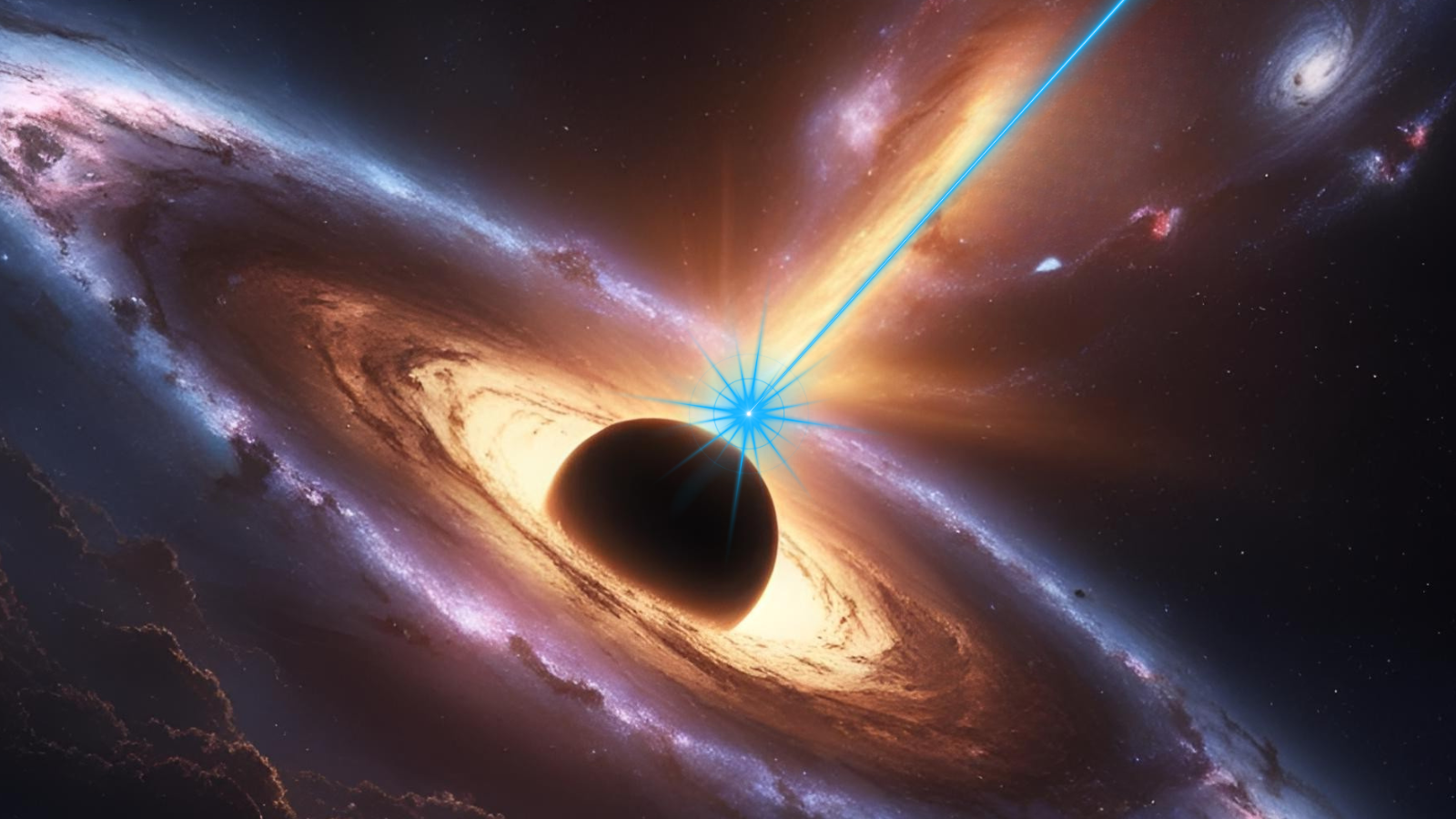
From Bert and Ernie to blazars: IceCube's journey of discovery
2013: The First Cosmic Neutrinos
Within two years of IceCube becoming fully operational, the collaboration announced a breakthrough: 28 high-energy neutrinos from beyond the Solar System. Two of these, nicknamed Bert and Ernie after the Sesame Street characters, were then the highest-energy neutrinos ever detected. Each carried over 1 PeV (a quadrillion electronvolts) of energy—far beyond anything achievable in Earth-based particle accelerators.
2018: Tracing a Neutrino to a Blazar
In 2018, IceCube achieved a historic first: it identified the source of a single high-energy neutrino. The particle traced back to a blazar—a supermassive black hole emitting an energetic jet of particles—located 3.7 billion light-years away. This was the dawn of true neutrino astronomy: not just detecting neutrinos, but using them to locate cosmic accelerators.
2021: A Star Being Torn Apart
In 2021, IceCube detected a neutrino from a tidal disruption event—a supermassive black hole tearing apart a star. This was another first, linking neutrinos to one of the most violent phenomena in the universe.
2023: The Milky Way in Neutrinos
More recently, IceCube traced the disk of our own Milky Way Galaxy in neutrinos. This was a remarkable achievement: our home galaxy, long known in visible light and radio waves, was now visible in ghostly neutrino emission.
2026: The Spectral Peak
In early 2026, just months before the Nobel announcement, IceCube scientists reported a landmark result: the energy spectrum of cosmic neutrinos is not a simple power law. Instead, it shows a clear peak at around 30 TeV. "For the first time we actually see structure in the energy spectrum," said DESY scientist Markus Ackermann. "You could say we have found the peak of the neutrino emission in the universe". This peak tells scientists what kinds of cosmic accelerators produce these neutrinos and under what conditions.
৭. আইসকিউবের বৈজ্ঞানিক অগ্রগতি
বার্ট ও আর্নি থেকে ব্লাজার: আইসকিউবের আবিষ্কারের যাত্রা
২০১৩: প্রথম মহাজাগতিক নিউট্রিনো
আইসকিউব সম্পূর্ণ কার্যকর হওয়ার দুই বছরের মধ্যে সহযোগিতাটি একটি যুগান্তকারী ঘোষণা দেয়: সৌরজগতের বাইরে থেকে আসা ২৮টি উচ্চ-শক্তির নিউট্রিনো। এর মধ্যে দুটিকে সেসামি স্ট্রিট চরিত্রের নামে বার্ট ও আর্নি ডাকনাম দেওয়া হয়, যা তখন পর্যন্ত শনাক্ত হওয়া সর্বোচ্চ-শক্তির নিউট্রিনো ছিল। প্রতিটির শক্তি ছিল ১ PeV (এক কোয়াড্রিলিয়ন ইলেকট্রনভোল্ট) এর বেশি—পৃথিবীর কণা ত্বরকযন্ত্রে অর্জনযোগ্য যেকোনো কিছুর চেয়ে অনেক বেশি।
২০১৮: একটি ব্লাজারে নিউট্রিনোর সন্ধান
২০১৮ সালে আইসকিউব একটি ঐতিহাসিক প্রথম অর্জন করে: এটি একটি একক উচ্চ-শক্তির নিউট্রিনোর উৎস চিহ্নিত করে। কণাটি ৩.৭ বিলিয়ন আলোকবর্ষ দূরে অবস্থিত একটি ব্লাজার—একটি অতিবিশাল কৃষ্ণগহ্বর যা শক্তিশালী কণা জেট নিঃসরণ করছে—এর দিকে ইঙ্গিত করে। এটি ছিল প্রকৃত নিউট্রিনো জ্যোতির্বিজ্ঞানের সূচনা: শুধু নিউট্রিনো শনাক্ত করা নয়, বরং মহাজাগতিক ত্বরকযন্ত্রের অবস্থান নির্ণয়ে তাদের ব্যবহার করা।
২০২১: একটি তারা ছিন্নভিন্ন হচ্ছে
২০২১ সালে আইসকিউব একটি জোয়ার-বিচ্ছেদ ঘটনা থেকে নিউট্রিনো শনাক্ত করে—একটি অতিবিশাল কৃষ্ণগহ্বর একটি তারাকে ছিন্নভিন্ন করছে। এটি আরেকটি প্রথম, যা নিউট্রিনোকে মহাবিশ্বের অন্যতম হিংস্র ঘটনার সঙ্গে যুক্ত করে।
২০২৩: নিউট্রিনোতে মিল্কিওয়ে
আরও সম্প্রতি, আইসকিউব নিউট্রিনোতে আমাদের নিজের মিল্কিওয়ে গ্যালাক্সির ডিস্ক চিহ্নিত করে। এটি একটি অসাধারণ অর্জন ছিল: আমাদের নিজস্ব গ্যালাক্সি, যা দীর্ঘদিন দৃশ্যমান আলো ও রেডিও তরঙ্গে পরিচিত ছিল, এখন ভূতুড়ে নিউট্রিনো নিঃসরণে দৃশ্যমান।
২০২৬: বর্ণালী শীর্ষ
২০২৬ সালের শুরুতে, নোবেল ঘোষণার মাত্র কয়েক মাস আগে, আইসকিউব বিজ্ঞানীরা একটি যুগান্তকারী ফলাফল রিপোর্ট করেন: মহাজাগতিক নিউট্রিনোর শক্তি বর্ণালী সরল পাওয়ার ল নয়। বরং এটি প্রায় ৩০ TeV-এ একটি স্পষ্ট শীর্ষ দেখায়। "প্রথমবারের মতো আমরা শক্তি বর্ণালীতে গঠন দেখতে পাচ্ছি," বলেছেন DESY-র বিজ্ঞানী মার্কাস অ্যাকারম্যান। "আপনি বলতে পারেন আমরা মহাবিশ্বে নিউট্রিনো নিঃসরণের শীর্ষ খুঁজে পেয়েছি।" এই শীর্ষ বিজ্ঞানীদের বলে দেয় কোন ধরনের মহাজাগতিক ত্বরকযন্ত্র এই নিউট্রিনো উৎপন্ন করে এবং কী পরিস্থিতিতে।
8. Future Benefits of the Ghost Particle
Neutrinos could revolutionise Earth imaging, security, and communication
Neutrino tomography — mapping the Earth's core with neutrinos. Atmospheric neutrinos passing through the planet are absorbed differently depending on the density and composition of the material they traverse. By measuring how many arrive at a detector from different directions, scientists can build a density map of the Earth's interior—complementing traditional seismic methods.
Nuclear non-proliferation — monitoring reactors without entering them. Antineutrinos emitted by nuclear fission are a telltale signature that cannot be shielded. Detectors placed outside a reactor can measure its power output and plutonium content, providing an independent tool for IAEA safeguards.
Submarine communication — unjammable, deep-ocean data links. Neutrino beams can travel straight through the Earth, making them impossible to block or intercept. While current technology would require beam intensities millions of times beyond existing accelerators, the concept remains a long-term prospect for secure submarine communication.
Astrophysics — observing supernovae and black holes in real time. Neutrinos escape from the heart of a collapsing star hours before the visible light burst, offering an early warning system for supernovae. They also provide the only direct probe of the extreme environments around supermassive black holes.
The Next Generation: IceCube-Gen2
IceCube physicists are already planning an upgrade. IceCube-Gen2 would increase the detector volume by a factor of eight, dramatically improving sensitivity. However, in 2023, the National Science Foundation put such plans on hold, citing power infrastructure limitations at the South Pole station. Some physicists hope Halzen's Nobel Prize will help get the upgrade back on track. "With more data from neutrino astronomy, researchers may be able to decipher the mechanisms that accelerate particles to extremely high energies," says Erin O'Sullivan, the IceCube spokesperson.
৮. ভূত কণার ভবিষ্যৎ উপকারিতা
নিউট্রিনো পৃথিবীর ইমেজিং, নিরাপত্তা ও যোগাযোগে বিপ্লব আনতে পারে
নিউট্রিনো টমোগ্রাফি — নিউট্রিনো দিয়ে পৃথিবীর কেন্দ্রের মানচিত্র তৈরি। বায়ুমণ্ডলীয় নিউট্রিনো গ্রহের মধ্য দিয়ে যাওয়ার সময় যে পদার্থের মধ্য দিয়ে যায় তার ঘনত্ব ও গঠনের উপর নির্ভর করে ভিন্নভাবে শোষিত হয়। বিভিন্ন দিক থেকে কতগুলো ডিটেক্টরে পৌঁছায় তা মেপে বিজ্ঞানীরা পৃথিবীর অভ্যন্তরের ঘনত্বের মানচিত্র তৈরি করতে পারেন—ঐতিহ্যবাহী ভূকম্পন পদ্ধতির পরিপূরক হিসেবে।
পারমাণবিক অপ্রসারণ — চুল্লিতে প্রবেশ না করেই পর্যবেক্ষণ। পারমাণবিক বিভাজন থেকে নির্গত অ্যান্টিনিউট্রিনো একটি স্পষ্ট স্বাক্ষর যা ঢাল দিয়ে আটকানো যায় না। চুল্লির বাইরে স্থাপিত ডিটেক্টর তার শক্তি উৎপাদন ও প্লুটোনিয়ামের পরিমাণ মাপতে পারে, IAEA সুরক্ষার জন্য একটি স্বাধীন হাতিয়ার হিসেবে।
সাবমেরিন যোগাযোগ — জ্যাম-প্রতিরোধী, গভীর-সমুদ্র ডেটা লিংক। নিউট্রিনো বিম সোজা পৃথিবীর মধ্য দিয়ে যেতে পারে, ফলে ব্লক বা ইন্টারসেপ্ট করা অসম্ভব। যদিও বর্তমান প্রযুক্তির জন্য বিদ্যমান ত্বরকযন্ত্রের চেয়ে লক্ষ লক্ষ গুণ বেশি বিম তীব্রতা প্রয়োজন, ধারণাটি নিরাপদ সাবমেরিন যোগাযোগের জন্য দীর্ঘমেয়াদি সম্ভাবনা হিসেবে রয়ে গেছে।
জ্যোতির্পদার্থবিজ্ঞান — সুপারনোভা ও কৃষ্ণগহ্বর রিয়েল টাইমে পর্যবেক্ষণ। নিউট্রিনো দৃশ্যমান আলোর বিস্ফোরণের কয়েক ঘণ্টা আগে একটি সংকুচিত তারার হৃদয় থেকে পালিয়ে যায়, সুপারনোভার জন্য প্রাথমিক সতর্কতা ব্যবস্থা হিসেবে কাজ করে। এগুলো অতিবিশাল কৃষ্ণগহ্বরের চারপাশের চরম পরিবেশের একমাত্র সরাসরি প্রোবও প্রদান করে।
পরবর্তী প্রজন্ম: আইসকিউব-জেন২
আইসকিউব পদার্থবিজ্ঞানীরা ইতিমধ্যে একটি আপগ্রেড পরিকল্পনা করছেন। আইসকিউব-জেন২ ডিটেক্টরের আয়তন আট গুণ বাড়াবে, সংবেদনশীলতা নাটকীয়ভাবে উন্নত করবে। তবে ২০২৩ সালে ন্যাশনাল সায়েন্স ফাউন্ডেশন দক্ষিণ মেরু স্টেশনে বিদ্যুৎ অবকাঠামোর সীমাবদ্ধতার কথা উল্লেখ করে এই পরিকল্পনা স্থগিত রাখে। কিছু পদার্থবিজ্ঞানী আশা করেন হ্যালজেনের নোবেল পুরস্কার আপগ্রেডটি পুনরায় ট্র্যাক করতে সাহায্য করবে। "নিউট্রিনো জ্যোতির্বিজ্ঞান থেকে আরও ডেটা পেলে গবেষকরা অত্যন্ত উচ্চ শক্তিতে কণা ত্বরিত করার প্রক্রিয়া উদ্ঘাটন করতে পারবেন," বলেছেন আইসকিউবের মুখপাত্র এরিন ও'সুলিভান।
9. Conclusion
Francis Halzen's Nobel Prize is a testament to the power of a bold idea pursued with relentless determination. When he first proposed building a neutrino telescope in the Antarctic ice, many thought it impossible. Yet he persisted—through funding battles, engineering challenges, and decades of skepticism. The result is IceCube: a cubic kilometer of instrumented ice that has opened an entirely new window on the universe.
The neutrino—a ghostly particle once thought undetectable—has become a key to understanding the cosmos. From the ice of Antarctica to the cores of distant galaxies, neutrinos are revealing the violent engines that accelerate particles to energies far beyond anything we can achieve on Earth. They have traced blazars, torn-apart stars, and our own Milky Way. And they have shown us that the universe has a structure we are only beginning to map.
As Mark Pearce of the Nobel Committee said, Halzen's tenacity and scientific vision have "paved the way for a new kind of astronomy". As we look to the future—to IceCube-Gen2 and beyond—the "little neutral one" may yet transform our view of the cosmos in ways we cannot yet imagine. The ghost particle is no longer just a curiosity; it is a messenger, a tool, and a source of endless wonder.
— Golden Web Tools · 2026
৯. উপসংহার
ফ্রান্সিস হ্যালজেনের নোবেল পুরস্কার এক দুঃসাহসী ধারণাকে অটল সংকল্পে অনুসরণ করার শক্তির প্রমাণ। যখন তিনি প্রথম অ্যান্টার্কটিক বরফে নিউট্রিনো টেলিস্কোপ নির্মাণের প্রস্তাব দেন, অনেকেই এটি অসম্ভব মনে করেছিলেন। তবুও তিনি অটল থাকেন—অর্থায়ন যুদ্ধ, প্রকৌশল চ্যালেঞ্জ এবং দশকের সন্দেহের মধ্য দিয়ে। ফলাফল হলো আইসকিউব: এক ঘন কিলোমিটার যন্ত্রসজ্জিত বরফ যা মহাবিশ্বে সম্পূর্ণ নতুন জানালা খুলে দিয়েছে।
নিউট্রিনো—একসময় অশনাক্তযোগ্য মনে করা একটি ভূতুড়ে কণা—মহাবিশ্ব বোঝার চাবিকাঠি হয়ে উঠেছে। অ্যান্টার্কটিকার বরফ থেকে দূরবর্তী গ্যালাক্সির কেন্দ্র পর্যন্ত, নিউট্রিনো সেই হিংস্র ইঞ্জিনগুলো প্রকাশ করছে যা কণাকে পৃথিবীতে অর্জনযোগ্য যেকোনো কিছুর চেয়ে অনেক বেশি শক্তিতে ত্বরিত করে। তারা ব্লাজার, ছিন্নভিন্ন তারা এবং আমাদের নিজের মিল্কিওয়ে চিহ্নিত করেছে। এবং তারা আমাদের দেখিয়েছে মহাবিশ্বের এমন একটি গঠন রয়েছে যা আমরা মাত্র ম্যাপ করা শুরু করেছি।
নোবেল কমিটির মার্ক পিয়ার্স যেমন বলেছেন, হ্যালজেনের অধ্যবসায় ও বৈজ্ঞানিক দূরদর্শিতা "এক নতুন ধরনের জ্যোতির্বিজ্ঞানের পথ প্রশস্ত করেছে"। ভবিষ্যতের দিকে তাকিয়ে—আইসকিউব-জেন২ এবং তার বাইরে—"ছোট্ট নিরপেক্ষ কণা" হয়তো আমাদের মহাবিশ্বের দৃষ্টিভঙ্গি এমনভাবে রূপান্তরিত করতে পারে যা আমরা এখনও কল্পনা করতে পারি না। ভূত কণা আর শুধু কৌতূহল নয়; এটি একটি বার্তাবাহক, একটি হাতিয়ার এবং অন্তহীন বিস্ময়ের উৎস।