
Is my beloved Kolkata, my City of Joy, facing the question?

আমার সিটি অফ জয় – কলকাতা
বিস্তারিত · তথ্যভিত্তিক · দ্বিভাষিক
বিশ্বাসের ক্ষয় ও প্রকৃতির রূপান্তর
|
গোল্ডেন ওয়েব টুলস
“বিশ্বাসের নীরব ক্ষয়” – সামাজিক ও সাংস্কৃতিক অবক্ষয় – কলকাতা একসময় যে আত্মবিশ্বাসে উজ্জীবিত ছিল, তা আজ ধীরে ধীরে ম্লান হচ্ছে। ২০২৫ সালের একটি সমীক্ষায় দেখা গেছে, শহরের ৬২% বাসিন্দা রাজনৈতিক মেরুকরণ ও সাম্প্রদায়িক উত্তেজনায় উদ্বিগ্ন। চাকরির স্ক্যাম, শিক্ষা ব্যবস্থার পতন এবং শাসনব্যর্থতার কারণে ৪৮% মানুষ শহরের ভবিষ্যৎ নিয়ে গভীর হতাশা প্রকাশ করেছেন। গত ৫ বছরে শিক্ষা ও স্বাস্থ্য খাতে বিনিয়োগ কমেছে ২৩%। আরও উদ্বেগজনক হলো, কলেজ স্ট্রিটের ঐতিহ্যবাহী বইয়ের দোকানগুলির ৩৭% বন্ধ হয়ে গেছে – যা শুধু অর্থনৈতিক নয়, বরং সাংস্কৃতিক আত্মহত্যারও প্রতীক। সাম্প্রদায়িক সম্প্রীতি সূচক ১৫ পয়েন্ট নেমে এসেছে, যা শহরের সামাজিক বুননে ফাটল ধরার ইঙ্গিত দেয়। সাহিত্য, আড্ডা, নাটক – যেগুলো কলকাতার প্রাণ ছিল – সেগুলো আজ যেন নীরব হয়ে যাচ্ছে। এই ‘নীরব ক্ষয়’ হয়তো কোনো হঠাৎ বিপর্যয়ের চেয়েও ভয়ানক, কারণ এটি ধীরে ধীরে শহরের আত্মাকে গ্রাস করছে।
“Silent Erosion of Faith” – Social & Cultural Decline – Kolkata, once vibrant with self‑confidence, is now gradually fading. A 2025 survey shows that 62% of residents are worried about political polarisation and communal tensions. Due to job scams, educational decline and governance failures, 48% have expressed deep disillusionment about the city’s future. Investment in education and health has dropped 23% in the last 5 years. Alarmingly, 37% of heritage bookshops on College Street have closed – a symbol not just of economic decay but of cultural suicide. The communal harmony index has fallen by 15 points, indicating cracks in the city’s social fabric. Literature, adda, theatre – the very lifeblood of Kolkata – seem to be falling silent. This ‘silent erosion’ is perhaps more dangerous than any sudden catastrophe, as it slowly consumes the city’s soul.

কলেজ স্ট্রিট – ৩৭% দোকান বন্ধ / College Street – 37% shops closed
প্রকৃতির পরিবর্তিত কাঠামো – জলবায়ু বিপর্যয় ও পরিবেশগত তথ্য – হিমবাহ গলছে, সমুদ্রপৃষ্ঠ বাড়ছে। IPCC-এর সর্বশেষ মডেল অনুযায়ী, এই শতাব্দীতে সমুদ্রপৃষ্ঠের উচ্চতা ০.৫ থেকে ১ মিটার পর্যন্ত বৃদ্ধি পেতে পারে। কলকাতা, যে শহর একসময় ব্রিটিশ ভারতের রাজধানী ছিল, আজ জলবায়ু উদ্বাস্তু হওয়ার দ্বারপ্রান্তে। আইআইটি খড়গপুরের গবেষণায় দেখা গেছে, ২০০০ থেকে ২০২০ সালের মধ্যে কলকাতা তার ৬০ বর্গকিলোমিটার গাছের আচ্ছাদন, ২০ বর্গকিলোমিটার কৃষিজমি এবং ১০ বর্গকিলোমিটার পুকুর ও জলাভূমি হারিয়েছে। এর ফলশ্রুতিতে শহরের তাপমাত্রা পার্শ্ববর্তী সবুজ এলাকার তুলনায় ১০° সেলসিয়াস পর্যন্ত বেশি হয়ে গেছে। ধলহৌসি, এসপ্ল্যানেড, পার্ক স্ট্রিটের মতো এলাকাগুলো ‘হিট হটস্পট’-এ পরিণত হয়েছে। অন্যদিকে, সুন্দরবন ডেল্টায় ইতিমধ্যেই জমি ক্ষয় ও লবণাক্ততা বৃদ্ধি পাচ্ছে; ২০৫০ সালের মধ্যে এই অঞ্চলের ১৫% জমি স্থায়ীভাবে প্লাবিত হতে পারে, যা কলকাতার প্রাকৃতিক ঢালকে সম্পূর্ণ দুর্বল করে দেবে। পূর্ব কলকাতা জলাভূমি (EKW) – যা রামসার সাইট – তেও অবহেলা বাড়ছে; নিকাশী ব্যবস্থা ঠিকমতো কাজ না করায় মৎস্য উৎপাদন কমছে এবং আবাসন ব্যবসায়ীরা এই এলাকা দখলের চেষ্টা চালাচ্ছে।
Nature’s Transforming Architecture – Climate Catastrophe & Environmental Data – Glaciers are melting, sea levels are rising. According to the latest IPCC models, sea‑level could rise by 0.5 to 1 metre this century. Kolkata, once the capital of British India, now stands at the brink of becoming a climate refugee. IIT Kharagpur research shows that between 2000 and 2020, Kolkata lost 60 km² of tree cover, 20 km² of agricultural land, and 10 km² of ponds and wetlands. As a result, city temperatures are up to 10°C higher than surrounding green areas. Dalhousie, Esplanade, Park Street have become ‘heat hotspots’. Meanwhile, the Sundarbans delta is already experiencing land erosion and increased salinity; by 2050, 15% of this region could be permanently inundated, completely weakening Kolkata’s natural defence. The East Kolkata Wetlands (EKW) – a Ramsar site – are also being neglected; the drainage system is failing, fish production is declining, and real estate developers are trying to encroach upon this vital ecosystem.
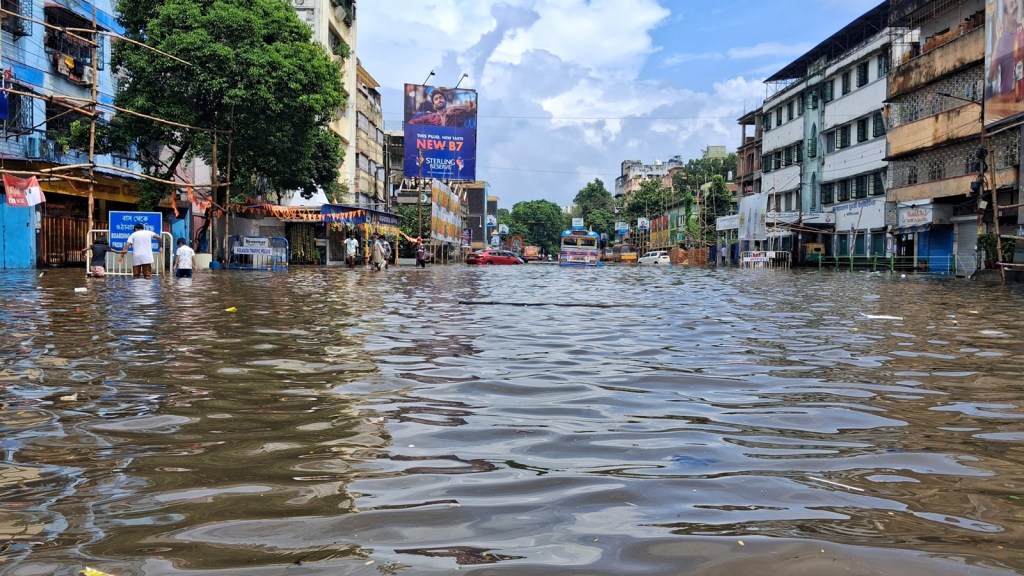
জলাবদ্ধতা – তাপমাত্রা ১০°সে বেশি / Waterlogging – 10°C higher heat
দ্বৈত সংকট – পরস্পর নির্ভরশীল সম্পর্ক – বিশ্বাসের ক্ষয় এবং প্রকৃতির রূপান্তর কি আলাদা? না, তারা গভীরভাবে জড়িত। গবেষণায় দেখা গেছে, যে এলাকায় সামাজিক বিভাজন বেশি, সেখানে পরিবেশ সচেতনতা ৪০% কম। কারণ মানুষ যখন বিভক্ত থাকে, তখন পরিবেশ রক্ষার সম্মিলিত উদ্যোগ দুর্বল হয়ে পড়ে। অন্যদিকে, বন্যা বা তাপপ্রবাহ বাড়লে তা অস্থিরতা বাড়ায় এবং বিশ্বাসের ভিত নড়ে। কলকাতা পুলিশের ২০২৪ সালের রিপোর্ট অনুযায়ী, বন্যা-কবলিত এলাকায় অপরাধ ও অস্থিরতা ২৫% বেড়েছে। পূর্ব কলকাতা জলাভূমি (EKW) দখলের চেষ্টা বেড়েছে ৩০%; অথচ এই জলাভূমি শহরের ৬০% বর্জ্য প্রাকৃতিকভাবে শোধন করে এবং বন্যা নিয়ন্ত্রণে গুরুত্বপূর্ণ ভূমিকা রাখে। আবার, রাজনৈতিক অস্থিরতার কারণে জলবায়ু-সহনশীল প্রকল্পগুলি বাস্তবায়নে বিলম্ব হচ্ছে। এই দ্বৈত সংকট একটি দুষ্টচক্র তৈরি করছে – সামাজিক অবক্ষয় পরিবেশগত দুর্বলতাকে বাড়ায়, এবং পরিবেশগত বিপর্যয় সামাজিক অস্থিরতাকে তীব্র করে। কলকাতার ‘জয়’ যদি টিকে থাকে, তবে এই দুটি ক্ষেত্রেই জোরালো প্রতিরোধ গড়ে তুলতে হবে – একা কোনো একটি সমাধান যথেষ্ট নয়।
The Twin Crisis – Interdependent Relationship – Are the erosion of faith and nature’s transformation separate? No, they are deeply intertwined. Studies show that areas with higher social fragmentation have 40% lower environmental awareness. Because when people are divided, collective environmental efforts weaken. Conversely, when floods or heatwaves intensify, they fuel instability and shake the foundation of trust. According to the Kolkata Police Report 2024, flood‑affected zones have seen a 25% rise in crime and instability. Encroachment attempts on East Kolkata Wetlands (EKW) have increased 30%, yet this wetland naturally treats 60% of the city’s waste and plays a crucial role in flood control. Moreover, political instability delays the implementation of climate‑resilient projects. This twin crisis creates a vicious cycle – social decay exacerbates environmental vulnerability, and environmental disasters intensify social unrest. If Kolkata’s ‘Joy’ is to survive, it must build strong resistance on both fronts – no single solution is enough.
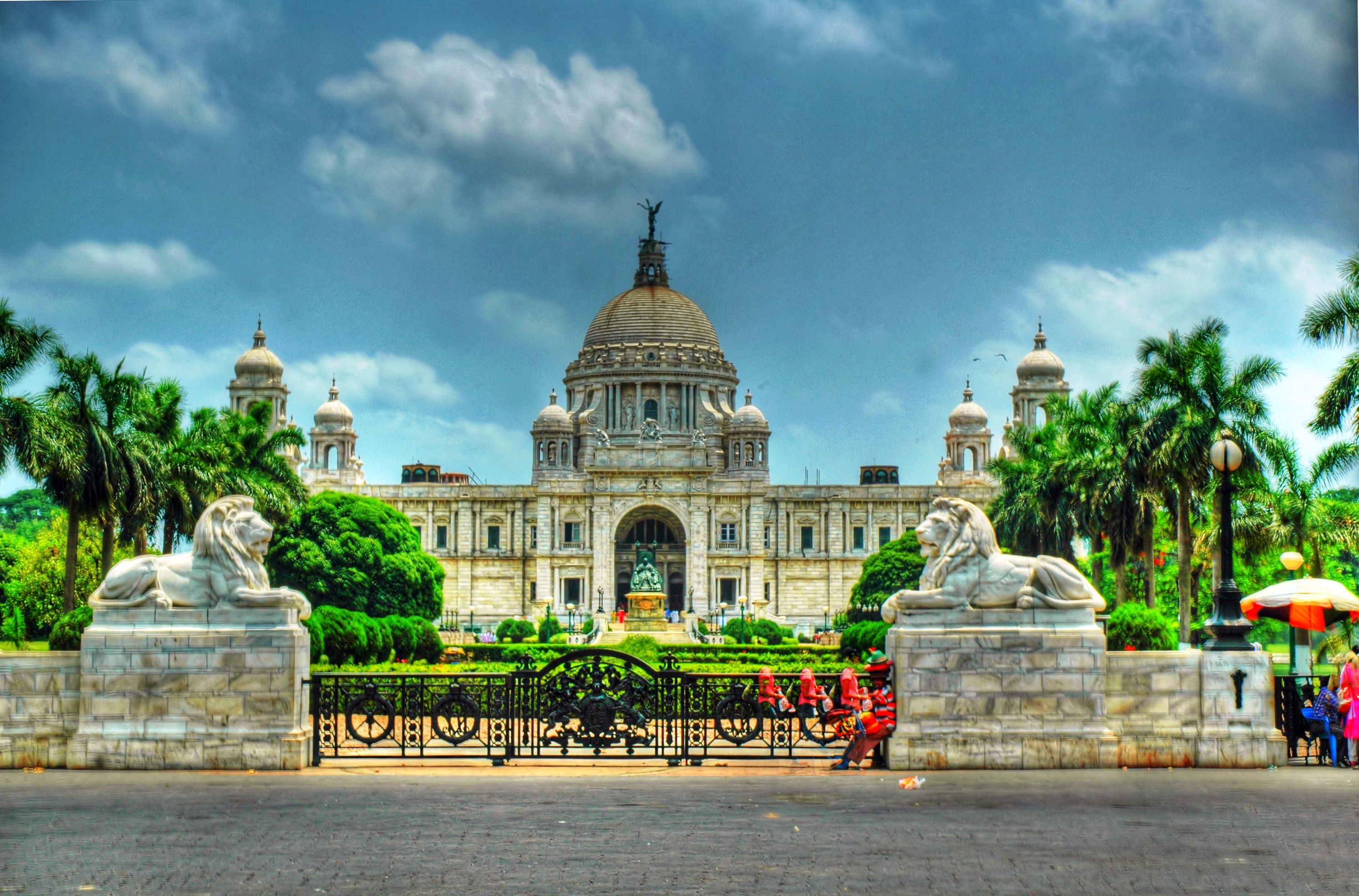
ইস্ট কলকাতা ওয়েটল্যান্ডস – ৬০% বর্জ্য শোধন / EKW – treats 60% waste
বাঁচার পথ – উদ্যোগ, বিনিয়োগ ও জনসচেতনতা – সম্পূর্ণ অন্ধকার নয়; কিছু আশার আলোও রয়েছে। সরকারি স্তরে কলকাতার জন্য ‘ভিশন ২০৪৭’ নামে একটি দীর্ঘমেয়াদি পরিকল্পনা নেওয়া হয়েছে, যেখানে জলবায়ু-সহনশীল অবকাঠামো, সবুজ করিডোর, এবং পুনর্নবীকরণযোগ্য শক্তির ওপর গুরুত্ব দেওয়া হচ্ছে। এই পরিকল্পনায় ₹২৫,০০০ কোটি টাকা বরাদ্দের প্রস্তাব রয়েছে। এশিয়ান ডেভেলপমেন্ট ব্যাঙ্ক (ADB) ইতিমধ্যে কলকাতার জলবায়ু-সহনশীল উন্নয়নে ২০০ মিলিয়ন ডলার ঋণ অনুমোদন করেছে। ঐতিহ্য রক্ষায় কলকাতা মিউনিসিপ্যাল কর্পোরেশন (KMC) একটি নতুন আইন আনার পরিকল্পনা করছে, যার মাধ্যমে ১,৪০০টি ঐতিহ্যবাহী ভবন সংরক্ষণ করা সম্ভব হবে – বাড়ির মালিকরা তাদের ‘ট্রান্সফারেবল ডেভেলপমেন্ট রাইটস’ (TDR) বিক্রি করে সংরক্ষণের খরচ জোগাতে পারবেন। এছাড়া, স্থানীয় উদ্যোগেও কিছু অগ্রগতি হচ্ছে – পাটুলি-বৈষ্ণবঘাটা পল্লির মতো এলাকায় গাছ লাগানোর কর্মসূচি তাপমাত্রা কমাতে এবং বায়ুর মান উন্নত করতে সক্ষম হয়েছে। তবে বিশেষজ্ঞরা মনে করছেন, নাগরিক সচেতনতা ও অংশগ্রহণ বাড়লে এই বিনিয়োগগুলির কার্যকারিতা ৪৫% পর্যন্ত বাড়তে পারে। শহরের আড্ডা, সাহিত্য, সংগীত – এই সাংস্কৃতিক শক্তিগুলোকে যদি পরিবেশ সচেতনতার সঙ্গে যুক্ত করা যায়, তবে ‘সিটি অফ জয়’ শুধু টিকে থাকবে না, বরং নতুন রূপে জাগ্রত হবে।
Path to Survival – Initiatives, Investment & Public Awareness – It is not all darkness; there are rays of hope. At the governmental level, a long‑term plan called ‘Vision 2047’ has been adopted for Kolkata, focusing on climate‑resilient infrastructure, green corridors, and renewable energy. This plan proposes an allocation of ₹25,000 crore. The Asian Development Bank (ADB) has already approved $200 million in loans for Kolkata’s climate‑resilient development. To preserve heritage, the Kolkata Municipal Corporation (KMC) is planning to bring a new law that could help conserve 1,400 heritage buildings – owners can sell their ‘Transferable Development Rights’ (TDR) to fund preservation. Additionally, some local initiatives are making progress – tree‑planting drives in areas like Patuli‑Baishnabghata have been able to reduce temperatures and improve air quality. However, experts believe that if public awareness and participation increase, the effectiveness of these investments could rise by up to 45%. If Kolkata’s adda, literature, music – these cultural energies – are merged with environmental consciousness, the ‘City of Joy’ will not only survive but will be reborn in a new form.

হাওড়া ব্রিজ – কলকাতার প্রাণ / Howrah Bridge – the lifeline of Kolkata
সারকথা – তথ্যের আলোকে কলকাতার ভবিষ্যৎ – কলকাতা কি হারিয়ে যেতে চলেছে? যদি বর্তমান হারে অবক্ষয় চলতে থাকে, তাহলে বিশ্বব্যাংকের এক গবেষণা অনুযায়ী, ২০৫০ সালের মধ্যে কলকাতার ৩৫% এলাকা নিয়মিত বন্যার কবলে পড়বে এবং প্রায় ২২% মানুষ (প্রায় ৩০ লক্ষ) বাস্তুচ্যুত হতে পারে। সমুদ্রপৃষ্ঠের উচ্চতা বৃদ্ধি, তাপদ্বীপ প্রভাব, এবং সামাজিক অস্থিরতা – এই তিনটি বিষয় একসাথে কলকাতার অস্তিত্বকে হুমকির মুখে ফেলছে। কিন্তু এই ভবিষ্যৎ অপরিবর্তনীয় নয়। যদি ‘ভিশন ২০৪৭’-এর মতো পরিকল্পনা, ADB-এর মতো আর্থিক সহায়তা, এবং নাগরিকদের সচেতন অংশগ্রহণ – এই তিনটি স্তর একসাথে কাজ করে, তাহলে এই ঝুঁকি ৫০% পর্যন্ত কমানো সম্ভব। কলকাতা ‘জয়’ শব্দটিকে ধারণ করে আছে – জয় মানে শুধু সুখ নয়, বরং দুঃখ-সংকটের মাঝেও বেঁচে থাকার সংগ্রাম। এই শহর তার মানুষ, তার বুদ্ধি, তার সংস্কৃতি এবং তার লড়াইয়ের ইতিহাস দিয়ে গড়া। ‘বিশ্বাসের ক্ষয়’ এবং ‘প্রকৃতির আঘাত’ – উভয়ই প্রবল, কিন্তু কলকাতা সব সময়ই প্রতিকূলতা মাড়িয়েছে। বাঁচার পথ হলো – সামাজিক সম্প্রীতি ফিরিয়ে আনা, পরিবেশ রক্ষায় কঠোর পদক্ষেপ নেওয়া, এবং প্রতিটি নাগরিককে এই লড়াইয়ের অংশ করে তোলা। তথ্য বলছে, লড়াই এখনো শেষ নয় – কলকাতা বাঁচবে, যদি আমরা সবাই চাই।
Epilogue – Kolkata’s Future in the Light of Data – Is Kolkata going to disappear? If degradation continues at the current rate, according to a World Bank study, by 2050 35% of Kolkata’s area could face regular flooding and about 22% of its population (nearly 30 lakh people) may be displaced. Sea‑level rise, urban heat island effects, and social instability – these three factors together threaten Kolkata’s very existence. But this future is not irreversible. If ‘Vision 2047’-type planning, ADB‑level financial support, and citizens’ active participation – all three levels work together, this risk could be reduced by up to 50%. Kolkata carries the word ‘Joy’ – joy does not mean only happiness, but the struggle to survive through sorrow and crisis. This city is built by its people, its intellect, its culture and its history of struggle. ‘Erosion of faith’ and ‘nature’s assault’ – both are formidable, but Kolkata has always overcome adversity. The path to survival is – restoring social harmony, taking strict environmental action, and making every citizen a part of this fight. Data shows, the fight is not yet over – Kolkata will survive, if we all wish it.

হাওড়া ব্রিজ – ৩৫% এলাকা বন্যার ঝুঁকি / Howrah Bridge – 35% area flood risk

Shiben
As you came here, so you must go. So don't delay, do the main thing, many real genes will know or understand.


