
বাঙালির শ্রেষ্ঠপূজা দুর্গাপূজা আসছে (Coming Durga Puja — The Greatest Festival of Bengalis)

দুর্গাপূজা ২০২৬ Durga Puja 2026
শরতের আগমন মানেই বাঙালির হৃদয়ে উৎসবের ঢাক বেজে ওঠা। নীল আকাশ, সাদা মেঘের ভেলা আর নদীর চরে কাশফুলের শুভ্র মিতালী — এই ঋতুর সঙ্গেই জড়িয়ে আছে সনাতন ধর্মাবলম্বীদের সবচেয়ে বড় উৎসব শারদীয় দুর্গোৎসব। পিতৃপক্ষের অবসান ঘটিয়ে মাতৃপক্ষের সূচনা হয়, আর মা দুর্গা সমস্ত অশুভ শক্তির বিনাশ করেন। দশমীর দিন একদিকে পরস্পরের আলিঙ্গনে আনন্দ, অন্যদিকে মায়ের বিদায়ে বিষাদের সুর — এই দুইয়ের মিলিত আবেগই দুর্গাপূজার অনন্য সৌন্দর্য।
বাঙালির কাছে দুর্গাপূজা শুধু ধর্মীয় আচার নয়, এটি সংস্কৃতি, শিল্প, সামাজিক মিলন ও ঐতিহ্যের মহাসম্মেলন। কুমোরটুলির মাটি থেকে শুরু করে প্রতিমার চক্ষুদান, পণ্ডালের শিল্পসৌকর্য, ঢাকের তাল, ধুনুচি নাচ, সিঁদুর খেলা — প্রতিটি পর্ব বাঙালির আবেগের অংশ।
The arrival of autumn marks the beating of the festive drum in the Bengali heart. The blue sky, the voyage of white clouds and the white Kash flowers on the riverbanks — this season is intertwined with the greatest festival of the Sanatan faith, Sharodiya Durga Puja. The Pitri Paksha ends and Devi Paksha begins, and Maa Durga destroys all evil forces. On Dashami, there is joy in embracing one another, but also a tune of sorrow as the mother departs — this blend of emotions is the unique beauty of Durga Puja.
For Bengalis, Durga Puja is not just a religious ritual; it is a grand confluence of culture, art, social bonding and heritage. From the clay of Kumartuli to the eye-opening of the idol, the artistry of the pandal, the rhythm of the dhol, the Dhunuchi dance and the Sindur Khela — every phase is part of Bengali emotion.
ইতিহাস ও ঐতিহ্য History & Heritage
ষোড়শ শতকে বাংলার জমিদার ও রাজারা পারিবারিক উৎসব হিসেবে দুর্গাপূজার সূচনা করেন। নদীয়ার রাজা কৃষ্ণচন্দ্র, কলকাতার শোভাবাজার রাজবাড়ি, মল্লভূমের মল্ল রাজারা, কোচবিহার-ত্রিপুরার রাজপরিবার — এঁরা সপরিবারে বিশাল আয়োজনে মায়ের পূজা করতেন। ১৭৯০ সালে গুপ্তিপাড়ার বারোজন ব্রাহ্মণ বন্ধু মিলে 'বারো ইয়ারি' বা বারোয়ারি পূজার প্রচলন করেন, যা পরবর্তীতে 'সার্বজনীন' দুর্গাপূজায় রূপ নেয়।
স্বাধীনতা সংগ্রামের সময় এই পূজা জাতীয় ঐক্যের প্রতীক হয়ে ওঠে। মহাত্মা গান্ধী থেকে শুরু করে বিপ্লবী নেতারা দুর্গাপূজাকে জনজাগরণের মাধ্যম হিসেবে ব্যবহার করেন। দেশভাগের পর কলকাতার দুর্গাপূজা হয়ে ওঠে বাঙালির আত্মপরিচয়ের প্রতীক। আজ বিশ্বের বহু দেশে বাঙালি সম্প্রদায় এই উৎসব পালন করে।
In the sixteenth century, zamindars and kings of Bengal started Durga Puja as a family festival. Raja Krishnachandra of Nadia, the Shobhabazar Rajbari of Kolkata, the Malla kings of Mallabhum, and the royal families of Cooch Behar and Tripura — they worshipped the Mother with grand arrangements along with their families. In 1790, twelve Brahmin friends of Guptipara introduced the 'Baro Yari' or Barowari Puja, which later evolved into the 'Sarbojanin' (community) Durga Puja.
During the freedom struggle, this puja became a symbol of national unity. From Mahatma Gandhi to revolutionary leaders, many used Durga Puja as a medium for mass awakening. After the Partition, Durga Puja in Kolkata became a symbol of Bengali identity. Today, Bengali communities across the world celebrate this festival with equal fervour.
🌍 ইউনেস্কো স্বীকৃতি 🌍 UNESCO Recognition
২০২১ সালে কলকাতার দুর্গাপূজা ইউনেস্কোর 'Intangible Cultural Heritage of Humanity' তালিকায় অন্তর্ভুক্ত হয়। এটি শুধু বাঙালির গর্ব নয়, সমগ্র মানবজাতির সাংস্কৃতিক ঐতিহ্যের স্বীকৃতি। ইউনেস্কোর ভাষায়, দুর্গাপূজা শিল্পী ও সম্প্রদায়ের মধ্যে সহযোগিতার এক অনন্য উদাহরণ, যেখানে জাতি-ধর্ম-বর্ণ নির্বিশেষে সবাই শামিল হয়।
এই স্বীকৃতির ফলে বিশ্বজুড়ে দুর্গাপূজার গুরুত্ব আরও বৃদ্ধি পেয়েছে। প্রতি বছর লক্ষাধিক বিদেশি পর্যটক কলকাতার পণ্ডাল দেখতে আসেন। UNESCO-র এই স্বীকৃতি বাঙালির সাংস্কৃতিক কূটনীতির এক বিরল সাফল্য।
In 2021, Kolkata's Durga Puja was inscribed on UNESCO's 'Intangible Cultural Heritage of Humanity' list. This is not only a pride for Bengalis but a recognition of the cultural heritage of all humanity. In UNESCO's words, Durga Puja is a unique example of collaboration between artists and communities, where people of all castes, religions and backgrounds participate together.
This recognition has further enhanced the global importance of Durga Puja. Every year, lakhs of foreign tourists visit Kolkata's pandals. This UNESCO recognition is a rare success of Bengali cultural diplomacy.
মহালয়া থেকে দশমী — তিথির গুরুত্ব Mahalaya to Dashami — Significance of Each Tithi
মহালয়াMahalaya
১০ অক্টোবর ২০২৬ · শনিবার10 October 2026 · Saturdayতিথি:Tithi: কৃষ্ণপক্ষ অমাবস্যা (সর্বপিতৃ অমাবস্যা)Krishna Paksha Amavasya (Sarvapitri Amavasya)
মহালয়া পিতৃপক্ষের শেষ দিন। ভোরের অন্ধকারে বীরেন্দ্রকৃষ্ণ ভদ্রের কণ্ঠে 'মহিষাসুরমর্দিনী' শোনা বাঙালির চিরন্তন নস্টালজিয়া। এই দিনেই দেবীপক্ষের সূচনা, কুমোরটুলিতে চক্ষুদান হয়। তর্পণের মাধ্যমে পূর্বপুরুষদের স্মরণ করা হয়।Mahalaya is the last day of Pitri Paksha. Hearing 'Mahishasura Mardini' in the voice of Birendra Krishna Bhadra in the early morning darkness is an eternal Bengali nostalgia. This day marks the beginning of Devi Paksha, and the eyes of the idol are painted in Kumartuli. Ancestors are remembered through Tarpan.

মহাষষ্ঠীMaha Shashthi
১৬ অক্টোবর ২০২৬ · শুক্রবার16 October 2026 · Fridayতিথি:Tithi: শুক্লপক্ষ ষষ্ঠীShukla Paksha Shashthi
আনুষ্ঠানিক শারদোৎসবের সূচনা। দেবীর বোধন, আমন্ত্রণ ও অধিবাস সম্পন্ন হয়। বেল গাছের নিচে কল্পারম্ভ ও দেবীর মুখ উন্মোচনের মাধ্যমে পণ্ডালে দর্শনার্থীদের প্রবেশাধিকার খুলে যায়। ঢাক ও উলুধ্বনিতে মুখরিত হয় চারপাশ।The formal beginning of Sharodotsab. The awakening (Bodhon), invitation and Adhibas of the goddess are performed. With Kalparambha under the Bel tree and the unveiling of the goddess's face, the pandal opens for visitors. The surroundings resonate with the sound of dhol and uludhwani.
মহাসপ্তমীMaha Saptami
১৭–১৮ অক্টোবর ২০২৬17–18 October 2026তিথি:Tithi: শুক্লপক্ষ সপ্তমী (তিথি বৃদ্ধি)Shukla Paksha Saptami (Tithi Vriddhi)
সপ্তমী পূজায় নবপত্রিকা স্নান ও স্থাপন হয়। এই দিন থেকেই মূল পূজা শুরু। কলকাতার পণ্ডাল হপিং-এর প্রধান দিনগুলির একটি। ভক্তদের ঢল নামে পণ্ডালে পণ্ডালে।On Saptami, the Navapatrika is bathed and installed. The main puja begins from this day. It is one of the main days for pandal hopping in Kolkata. Devotees throng from pandal to pandal.
মহাষ্টমীMaha Ashtami
১৯ অক্টোবর ২০২৬ · সোমবার19 October 2026 · Mondayতিথি:Tithi: শুক্লপক্ষ অষ্টমীShukla Paksha Ashtami
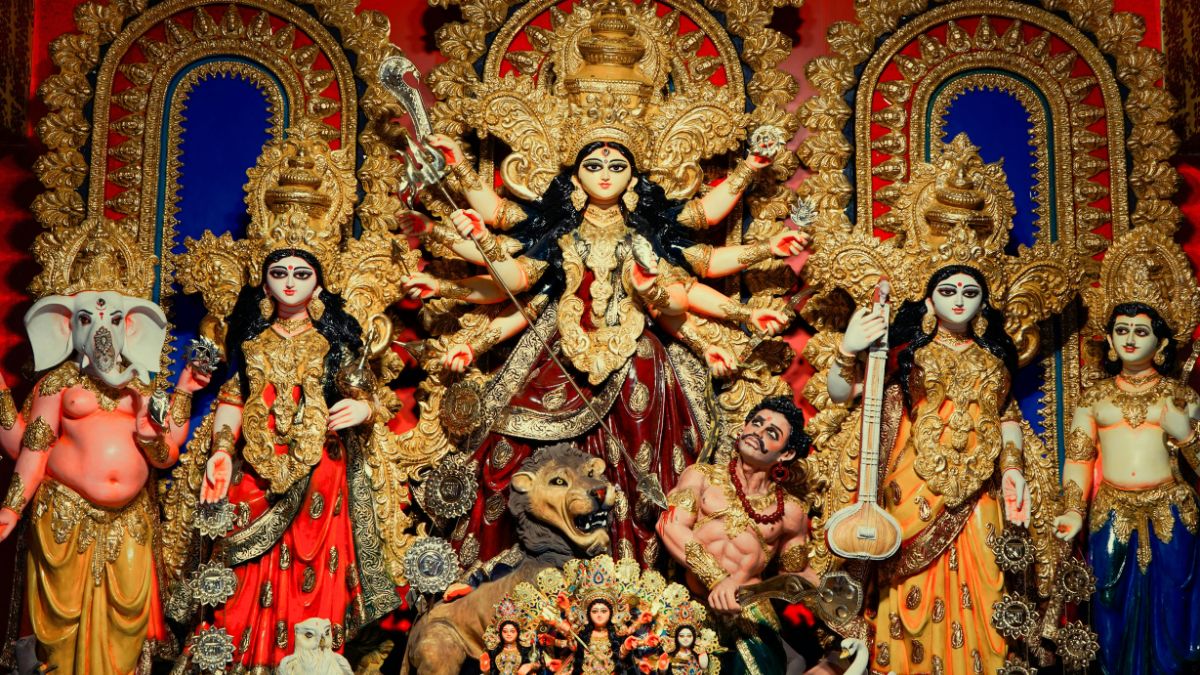
মহাষ্টমী দুর্গাপূজার সবচেয়ে গুরুত্বপূর্ণ দিন। সকালে পুষ্পাঞ্জলি, কুমারী পূজা হয়। সন্ধিপূজা (অষ্টমী-নবমীর সন্ধিক্ষণে) অত্যন্ত তাৎপর্যপূর্ণ। অষ্টমী-নবমীর সন্ধিক্ষণে ১০৮ পদ্ম দিয়ে দেবীর পূজা হয়।Maha Ashtami is the most important day of Durga Puja. In the morning, Pushpanjali and Kumari Puja are held. Sandhi Puja (at the juncture of Ashtami and Navami) is extremely significant. The goddess is worshipped with 108 lotuses at the Sandhi moment.
মহানবমীMaha Navami
২০ অক্টোবর ২০২৬ · মঙ্গলবার20 October 2026 · Tuesdayতিথি:Tithi: শুক্লপক্ষ নবমীShukla Paksha Navami
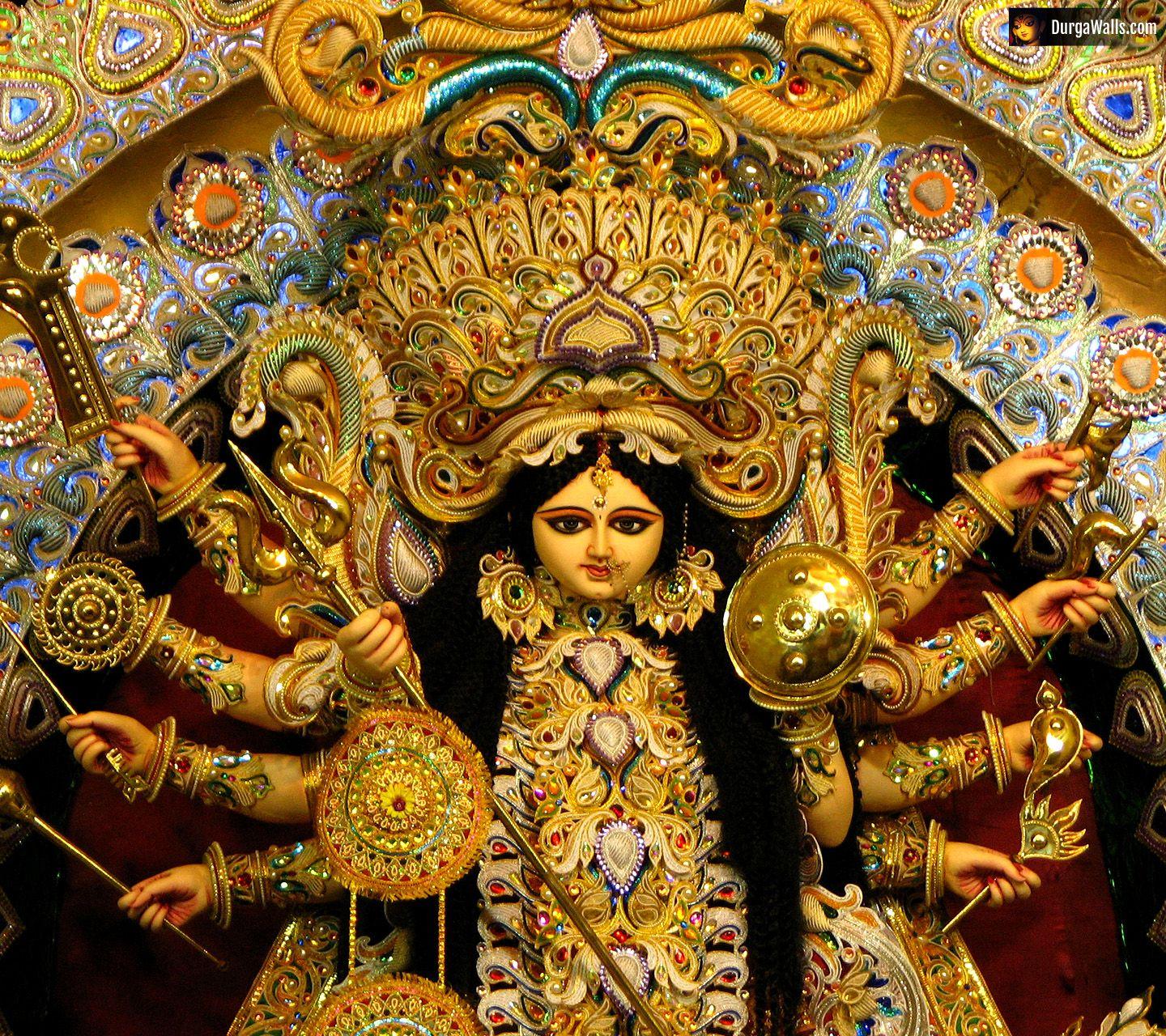
নবমী পূজা ও হোম যজ্ঞ সম্পন্ন হয়। ভক্তরা মায়ের চরণে ভোগ নিবেদন করেন। এই দিন সন্ধ্যায় ধুনুচি নাচ ও সাংস্কৃতিক অনুষ্ঠানের আয়োজন হয়।Navami Puja and Homa Yajna are performed. Devotees offer Bhog at the Mother's feet. In the evening, Dhunuchi dance and cultural programmes are organised.
বিজয়া দশমীVijaya Dashami
২১ অক্টোবর ২০২৬ · বুধবার21 October 2026 · Wednesdayতিথি:Tithi: শুক্লপক্ষ দশমীShukla Paksha Dashami
বিজয়া দশমীতে সিঁদুর খেলা ও মায়ের বিদায়ের বিষাদ। প্রতিমা বিসর্জনের মাধ্যমে দুর্গোৎসবের সমাপ্তি ঘটে। দশমীর দিন পরস্পরের আলিঙ্গনে আনন্দ ও বিদায়ের বেদনা একসাথে মিশে থাকে।On Vijaya Dashami, there is Sindur Khela and the sorrow of the Mother's departure. The festival concludes with the immersion of the idol. On Dashami, the joy of embracing one another and the pain of farewell blend together.
বাঙালির শ্রেষ্ঠপূজা দুর্গাপূজাDurga Puja — The Greatest Festival of Bengalis
দুর্গাপূজার নির্ঘণ্টক Durga Puja Schedule

Shiben
As you came here, so you must go. So don't delay, do the main thing, many real genes will know or understand.


