
AGNI MISSILE ANOTHER PRIDE OF INDIA WITH ITS FUTURE
Agni Missile Series
India's Strategic Deterrence Capability
History & Development
The Agni missile program originated in the early 1980s as part of India's Integrated Guided Missile Development Program (IGMDP) led by the visionary scientist and former President, Dr. APJ Abdul Kalam.
The first Agni technology demonstrator was tested in 1989 from the Interim Test Range in Chandipur. This marked India's entry into the realm of ballistic missile technology.
Following its success, the Agni program was separated from the IGMDP due to its strategic importance and designated as a special program with adequate funding. The program has since evolved to become the cornerstone of India's nuclear deterrence capability.

Agni Missile Series: Step-by-Step Analysis
Explore the evolution of India's Agni missile family, from the short-range Agni-I to the intercontinental Agni-V and the upcoming Agni-VI.
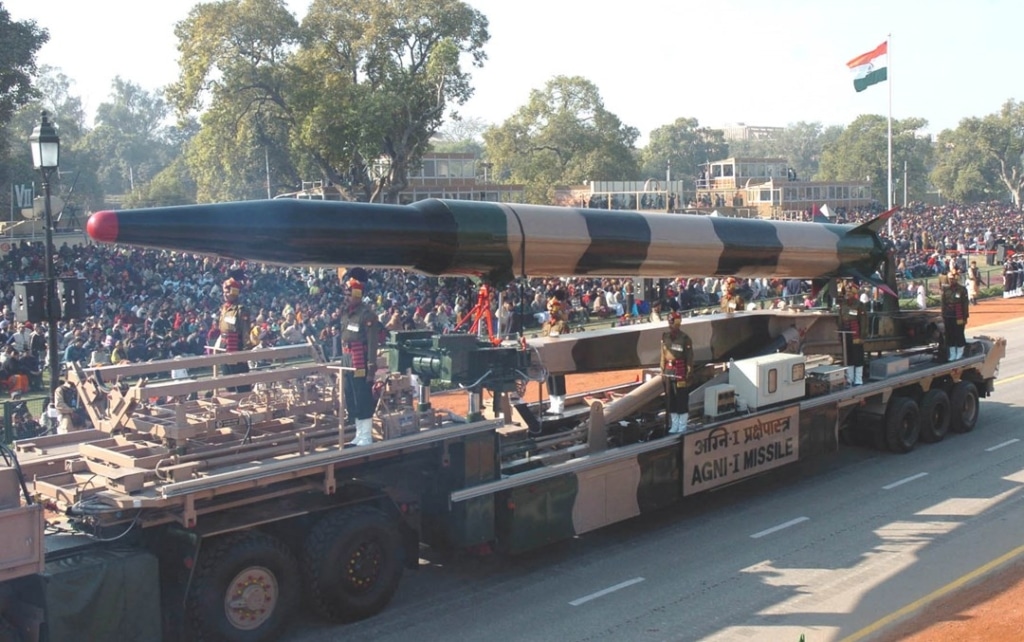
Agni-I
Agni-I is a short to medium-range ballistic missile developed after the Kargil War to fill the gap between Prithvi-II and Agni-II. It's a road and rail mobile, solid-fueled missile with high accuracy and quick deployment capabilities.
Agni-II
Agni-II is a two-stage, solid-propellant medium-range ballistic missile with advanced high-accuracy navigation system. It serves as a credible deterrent against regional threats and can be launched from both rail and road mobile launchers.
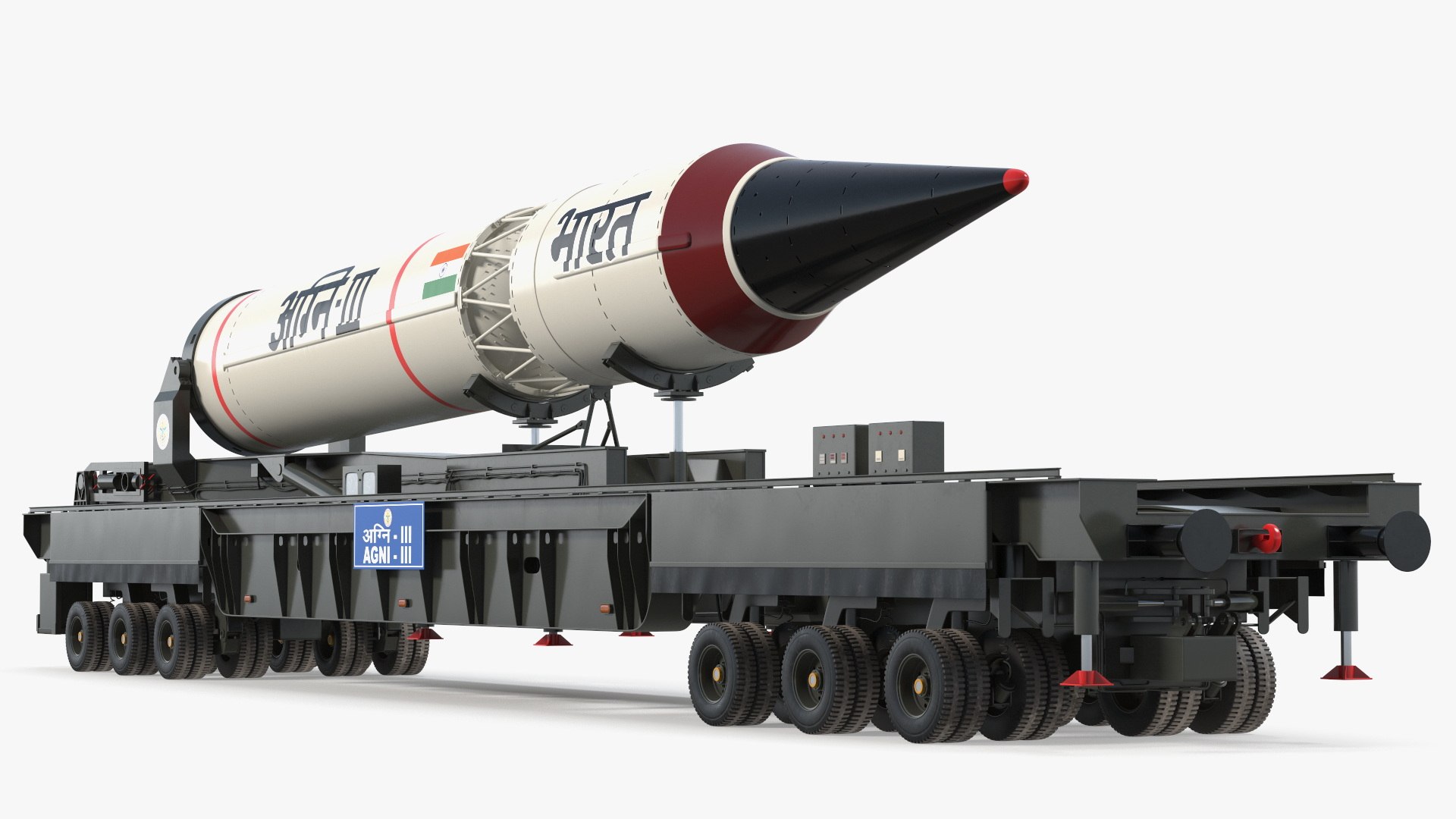
Agni-III
Agni-III is an intermediate-range ballistic missile known for its high accuracy, with one of the best CEP (Circular Error Probable) in its class. It can carry both conventional and nuclear warheads and significantly extended India's strategic reach.
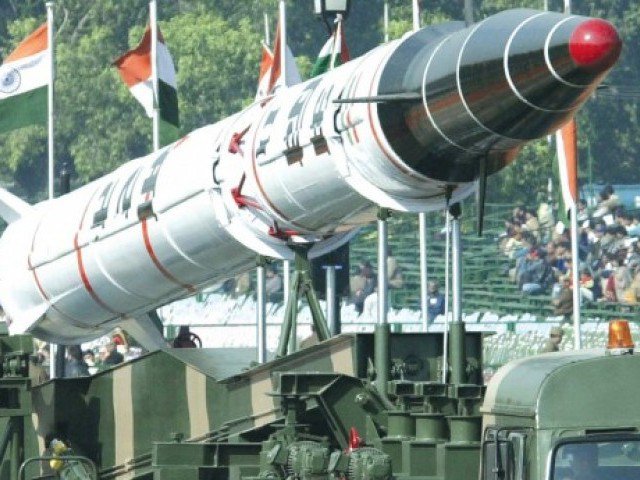
Agni-IV
Agni-IV bridges the range gap between Agni-II and Agni-III. Equipped with state-of-the-art avionics and advanced navigation systems, it features improved accuracy and reliability with advanced ring laser gyroscope and accelerometer.

Agni-V
Agni-V is India's first intercontinental ballistic missile with MIRV capability. It can carry multiple warheads and strikes at hypersonic speeds. Its canister-based launch system provides operational flexibility and reduces launch preparation time.
Agni-VI: The Future ICBM
UNDER DEVELOPMENTAgni-VI represents the next generation of India's strategic missile capability, designed to significantly enhance deterrence with extended range and advanced technology.
The development of Agni-VI underscores India's commitment to maintaining credible minimum deterrence in an evolving global security environment. With anti-ABM capabilities and advanced penetration aids, it's designed to counter modern missile defense systems.


Shiben
As you came here, so you must go. So don't delay, do the main thing, many real genes will know or understand.


